
The upcoming Australian Industry Documentary Conference (AIDC) in March is proving to be an exciting, industry defining event that will focus on the theme of Bearing Witness. With a huge array of international and national guests, from the Academy Award winning filmmaker Eva Orner (Burning), to emerging filmmaker Cody Greenwood (Under the Volcano), and Academy Award shortlisted filmmaker Jonas Poher Rasmussen (Flee), this conference will look at the changing world of documentaries and more.
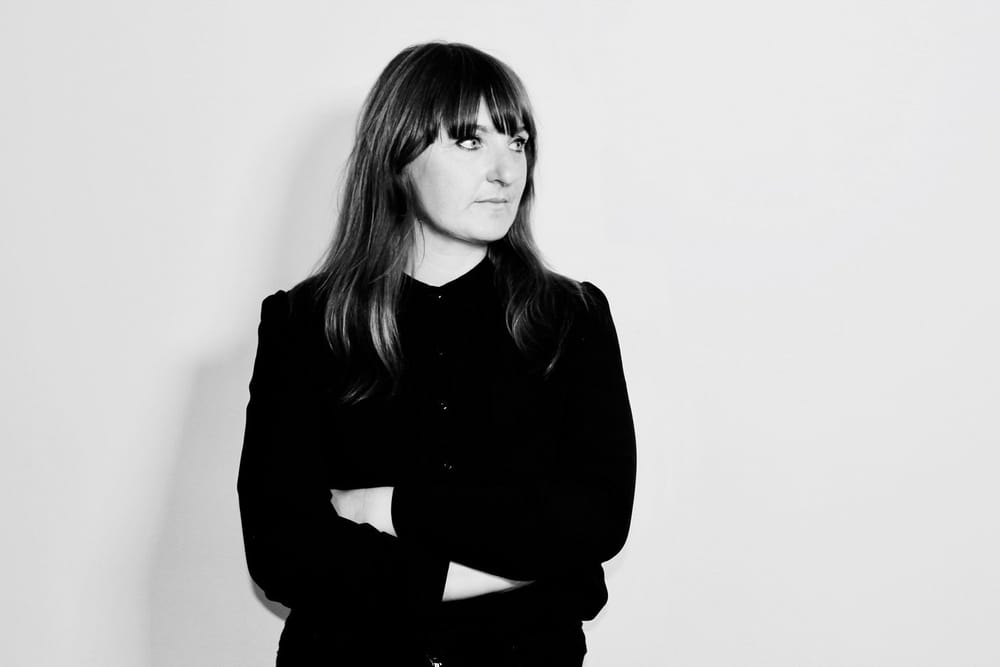
Creative Director Natasha Gadd joined Andrew to discuss the upcoming conference, the amazing array of speakers and guests, as well as discussing the themes that will be presented at the conference. Natasha also talks about her journey with documentaries and what the theme Bearing Witness means to her.
AIDC will run from 6-9 March 2022 in person and online, with an online only international marketplace taking place from 10-11 March 2022.
For more information, head to aidc.com.au for more details.
I saw the lineup of what you've got planned for the conference and it's really impressive. You must be pretty proud, I imagine you would be pretty stoked by that.
Very, very proud I have to say. Particularly, a few different speakers that we confirmed last week have got over the line and has made our lineup of both local and international speakers as well as obviously all of our incredible buyers into a very incredible lineup. So we're thrilled.
Congratulations. I'm a huge documentary fan, so getting to see so many familiar names people who I haven't seen in a while, like Florian Habicht. And then of course, Eva Orner being there is just so exciting. I'm thrilled for the conference in March. It's going to be really fantastic.
Thank you. Well, based on a couple of additional speakers we locked off yesterday, we worked out that we have got four Academy award shortlisted directors of this year's Academies lined up to speak.
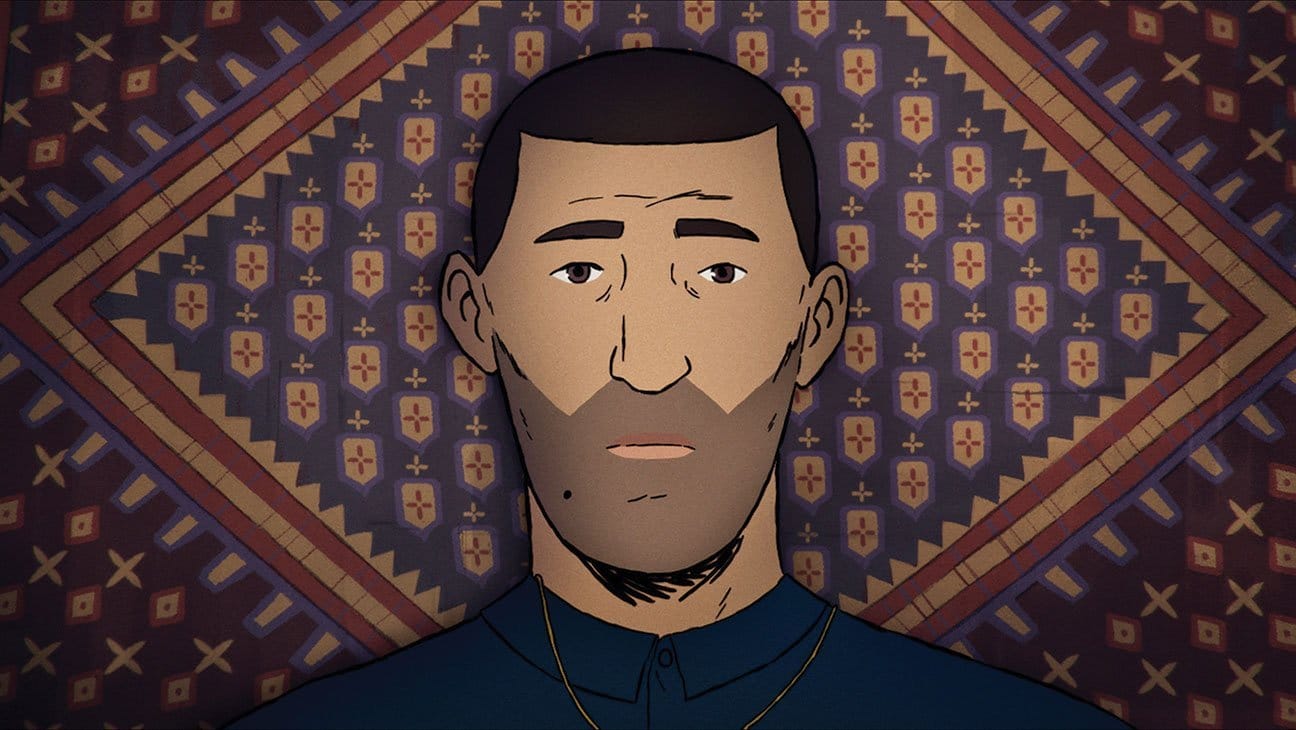
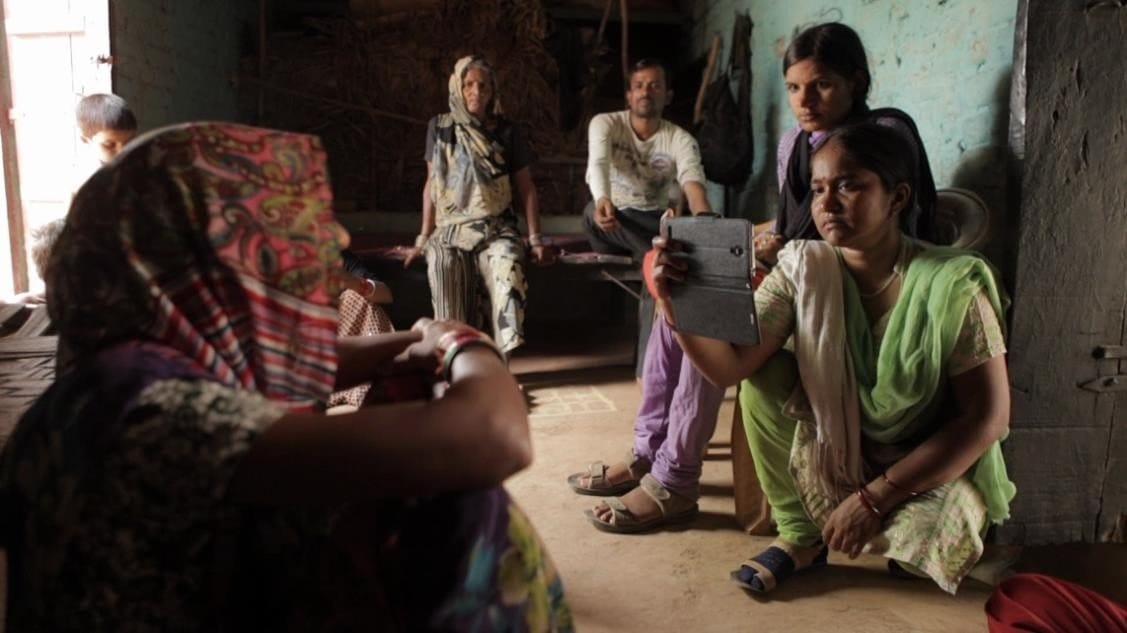
We've got Jonas Poher Rasmussen who's the director of Flee, an incredible animated feature documentary, which has shortlisted for the Oscars this year and has been doing the rounds of all of the festivals and has around 50 international awards already. And Nanfu Wang who is an incredible investigative filmmaker, who's film In the Same Breath looks at the different responses of the US and her homeland of China and how they were dealing with COVID as it came out of Wuhan. She's also on the Academy shortlist. And Sushmit Ghosh and Rintu Thomas, who are the Indian directors of Writing with Fire, an incredible documentary looking at two female journalists in a very male dominated newsroom. We're really thrilled to have those international guests headlining our spotlights.
And we've also just locked in literally the last couple of days Chapman and Maclain Way, who made the Netflix Untold sports crime series and Wild Wild Country.
How do you manage all of this during a pandemic and during the global disruption where people can't travel? Is there an appetite from these filmmakers to share their stories as much as they can digitally, at these kinds of conferences?
Obviously because we're in the midst of a global pandemic, a lot of our international guests unfortunately won't be able to travel and will be joining us online. We put in a good pitch with our theme Bearing Witness and it was very much around the idea that during the midst of a global pandemic and mandated lockdowns and border closures that we really saw documentarians continue to innovate and adapt to bring us stories, to capture those moments in time and to take them to audiences across the globe.
So we had a really strong theme in mind and a number of sub-themes which drilled down into the (central theme). (We have the) On the Record strand, which is looking at the investigative documentary, the truth telling and journalism angle; and then Truth to Power, which is very much about films for change, and looking at impact films; and Documenting History, which is looking at how archive driven projects really have been made in abundance over the last couple of years, which completely makes sense when no one can travel, particularly with really great music docs; and Moments in Time, which is those sort slow observed character made of docs, which we're looking at both the feature length character docs that we're seeing with some of our local filmmakers. We also look at factual (docs) for television, and platforms, because we're really covering all of the ways in which nonfiction stories are told and distributed and exhibited.
And Future Visions which is looking at innovation in the doco space, so not just in terms of new technologies, but ways in which people can experience documentaries instead of just watching and viewing them, those kind of docs that work with interactive or immersive storytelling technology, such as VR (virtual reality), AR (augmented reality), and even work within museums and gallery spaces that can be more immersive.
And then just how do we regenerate? What happens from here on for our filmmakers, as we're still in this COVID world and it's still posing a lot of challenges.
2021 saw some big challenges for filmmakers, not just documentarians, but filmmakers across the board in Australia with the proposed changes to how films would be made and financed, and that facing uncertainty is got to be quite a big challenge. There's a who's who of Australian filmmakers here, with up-and-coming filmmakers (Cody Greenwood, Madeleine Martiniello) and established filmmakers (Eva Orner, Bentley Dean), and it's really exciting to see that in a complex and difficult time. All of these people are going 'alright, let's tackle this challenge head on'.
What does that mean for you as the creative director of pulling all of this together to see all of that take place?
We're doing the same thing in the sense of we're innovating, we're adapting, and it sort of triples the amount of preparation and planning and delivery to do an event like this. The same is happening for filmmakers whose shoots are being canceled - it's always good to have a shake up, but sometimes it's more challenging than the benefits might offer - but, having to look at hiring local crews on the ground and not take your own crews over and direct via Zoom and these things that we've been seeing people do to be able to still tell stories. I guess we're trying to do that as well, to be able to still bring these documentary and factual filmmakers together, whether they're local or international. We had to create this model, which meant that people could access AIDC either in person if they chose to, and they felt comfortable traveling and being in Melbourne, or they could attend online so that no one was left out and that the community and the industry could still come together regardless.
One of the things which I found really fascinating talking to filmmakers last year about making films and the challenges that have come up (during the pandemic), with films like Strong Female Lead, which was born in a time where change was happening. And in some ways, the pandemic made it easier to work on that because it's completely archival. And so therefore, the changes are happening so quickly, and the filmmakers are reacting so quickly. And I was stunned by how reactive people could be. Of course, that's part of the nature of being a documentarian, you have to pivot on the go.
That seems to be something that you've done with the conference itself. How do you manage that yourself, pivoting on the go, and to be always reacting to things quickly? Does that excite you?
We haven't had to do it yet. We're doing the groundwork and if we had to pivot quickly, we could, but it doesn't mean that along the way we have had to make all sorts of decisions. When you think about before COVID - BC I like to call it - it would be a really big deal when we would have those four days that every single person would be on the ground. So we would have 800 people from both here and overseas, all attending for the four days.
AIDC has been running for 34 years, so it's a model that was very tried and tested. So this is an enormous disruption, and it requires a whole new team, a whole new event platform to be able to manage that. Every single team member is now having to think both of the audience and the speakers in person and online. In the old days with AIDC, you'd all be on the Melbourne time zone, whereas now because people are coming in from everywhere, we're now working with multiple time zones. Just being ready to pivot.
Also, we know that delegates who have bought classes to attend in person, something might happen and they need to transfer that pass to online, and other people who might have not wanted to make the decision early, by the time the conference comes around, will decide to be there in person. So we know we're going to be on our toes. We've done everything we can to build that the framework for us to be able to do that.
The theme of Bearing Witness feels like a universal one within the documentary sphere, but also feels like a very personal one to you. I'm curious, how did your connection with documentaries start? How did you engage with that notion of Bearing Witness?
That's such a great question. I started initially working as a film programmer. So I was working on a documentary festival called Real Life on Film, it started with a group of volunteers. It was very small and we sourced films from Margaret Mead and Human Rights Watch. And over the years, we then expanded to doing our own call for submissions, so we grew and grew and became a national touring festival.
And during that time, I watched so many incredible films and there's one that really struck me and it was called Children Underground, by Edet Belzberg, set at the time post, the sort of Ceausescu regime (in Bucharest) where a lot of the state run institutions and orphanages were shut down. And so a number of kids ended up on the street and living in the train station in the underground train stations. And it was brutal. It was like an observed film where the kids were sniffing paint and begging and stealing and just treated appallingly. And, it showed the day to day lives that they were living in, and it was a commentary on the border and political issues that were happening and why these kids ended up on the street.
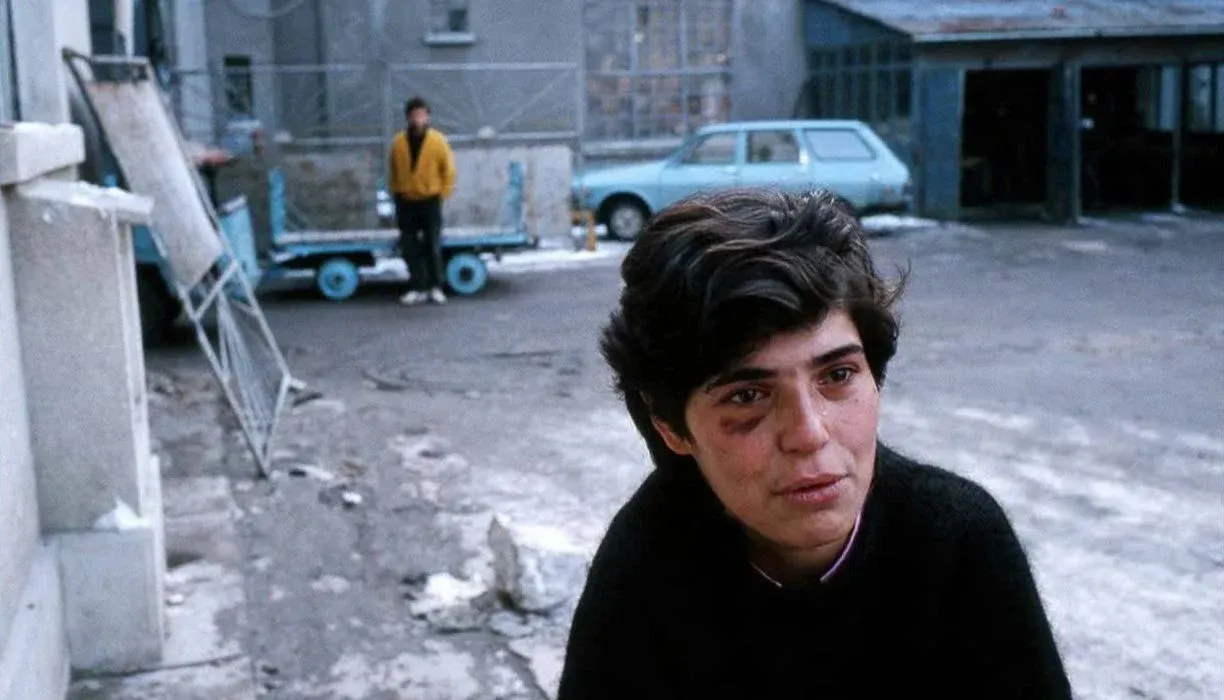
There was just so much talk around this film and questioning of the filmmaker for not interfering or intervening; (questioning) the role of a documentarian: do you just bear witness as an innocent bystander or do you get involved and do you do something? And I just remember her saying, 'I always thought I would probably intervene because I don't know how I would be able to do that without helping'. But her point was, 'I might not be able to change the lives of those children, I might be able to help them for a week, two weeks, provide some way out for that night. But at the end of the day, what I might be able to do for those children in the long run and for the future children is shine a light internationally on what that government is doing and how much it is harming those children and to create change and to drive awareness of legislative change that then has a long-lasting impact for a greater group'.
And it just always struck me about the role of the documentarian and all of the ethical considerations that they have to make it every single step of the way. 'Do I film this? Do I put my camera here? Do I do anything with this moment?' And then how pure is that original moment once you start getting the editors involved and editorial feedback from the funding process? And so that's why we are talking in this conference about the act and the impact of Bearing Witness at all those different stages.
Thank you. It's something which I find is really so fascinating about documentaries that they can be very entertaining, they can be light and fluffy, and then they can also be heavy, world changing pieces, films that have a real genuine impact. And then on the same hand, there can be films that highlight aspects of history that are hidden.
One of the screenings that you've got is Ablaze, which I watched last year via MIFF, and I absolutely loved that because that was unveiling a slice of Australian history which I wasn't aware of. And I was so moved and entertained by that film and found it just so powerful and exciting. Here is a part of Australian history that has been hidden and lost for so long, and yet, we're exploring it on film. That's the fluid state of documentaries, how they manage to unveil history and also document history and create change through that. It's such an exciting thing.
We should be all privileged right to watch docos because you get to learn so much and you get to have your eyes open to so many stories from so many places and so many perspectives and, if you're an avid viewer of documentaries, you're lucky to be able to continue to learn so much about the world without moving.
I'm in the midst of writing a book at the moment about Australian films that were released in 2021. I think that people tend to forget how many Australian films are released each year. We have hundreds of Australian films released each year, and while the fiction narratives or fictionalised narratives are in the dominant consciousness, The Dry, Nitram, people always focusing on them... there were over 100 Australian documentaries that were released last year, whether they were feature length or short. It seems to be the dominant style of filmmaking that is made within Australia. What is your perspective on on how dominant the doco sphere is here In Australia? And why is it something that people continue to turn to?
I just think that there's potentially more opportunities now for documentary makers to get their films out there. And then the more that they get their films out there, the more it drives the appetite, because people start to watch them and realise how engaging and entertaining they can be. And when you think about how it's moved from traditional broadcast documentaries that were the one off episodes, to big series that people can sink their teeth into and binge watch, and all of that makes people I think, who might not have ordinarily been interested or thought they were interested in watching docs that makes them much more open to watching docs in any format. And I think then that gives justification to the funders because there's an audience pathway, and there's an audience appetite, and then they create more opportunities, and it just fuels the ecosystem.
One of the people you've got talking is Ted Hope, from Amazon, and the work that was created via Amazon with documentaries in 2021 was really fascinating. We've got Burning, and then they had some series work as well, Unheard (with Ladbible), Making Their Mark. I was really surprised by Making Their Mark, it felt like a bit of a gamble in a way, but there is an audience for it. And it felt a little bit surprising that Amazon would be like, 'hey, Australians, why don't we make some documentaries about your neck of the woods'?
They're all sorts of issues that we like to discuss at AIDC because whilst that's really great in terms of opportunities, it's also then can potentially encroach on some of our national broadcasters as well, who would usually access those filmmakers to make content for their network. So, the opportunities can be great because the more players in the game who are putting money on the table for filmmakers, the more stories and the more films, but there's always still complex discussions to be had about the benefits of international players in a local space and what other ways are local broadcasters can be doing to commission films that have more global appeal. They're all topics that end up for discussion at AIDC.
It sounds like it's a safe space, so there is the freedom to be able to have those kinds of complex discussions in an open space. Outside of the sessions, is there an area that people who want to talk about what they've just seen online, to be able to do that online together after the sessions?
One of the benefits of having this new online event platform is it's also the place where if you're attending AIDC online, you go to this platform to watch all the sessions and each session has a live chat, which is moderated by the Q&A. And so for the people that are actually attending AIDC in person, that's an app. And so there's lots of ways that people can continue the conversations.
Check out the full press release for the AIDC in March on the next page.
AIDC will run 6-9 March 2022 in person and onilne, with an online-only international marketplace from 10-11 March 2022.
AUSTRALIAN INTERNATIONAL DOCUMENTARY CONFERENCE ANNOUNCES FULL 2022 PROGRAM
More information can be found at aidc.com.au/doc-lab-interact/
The Australian International Documentary Conference (AIDC) today announces the full program for its first-ever hybrid event - including over 40 sessions, more than 90 speakers and 70-plus industry decision makers - taking place in-person at ACMI Melbourne, and simultaneously online, from 6-9 March 2022, with an online-only international marketplace 10-11 March 2022.
The 2022 program features leading talents from across the screen and digital media industries, including Jonas Poher Rasmussen, whose Oscar®-shortlisted hybrid animated documentary Flee has received over 50 international awards and the Sundance Grand Jury Prize; Chapman and Maclain Way, the filmmaking brothers responsible for Netflix smash hit docu-series Wild Wild Country and Untold; Academy Award®-winning Australian filmmaker Eva Orner (Taxi to the Dark Side, Chasing Asylum, Burning); legendary independent producer and former co-head of movies at Amazon Studios, Ted Hope; investigative filmmaker Nanfu Wang, director of Academy Award®-shortlisted In the Same Breath, and One Child Nation; digital evangelist and co-head of documentary at TIME Studios, Loren Hammonds; and producers Darren Dale and Jacob Hickey of the acclaimed and prolific production house Blackfella Films (First Contact, Filthy Rich and Homeless, the Books that Made Us).
Other notable international guests include Sushmit Ghosh and Rintu Thomas, Academy Award®- shortlisted directors of Writing with Fire, Mahalia Cohen from US streamer Topic, Janet Han Vissering of Nat Geo Wild, Aloke Devichand of Netflix, Nick Solowski of Canada’s Blue Ant Media, Victoria Noble of Discovery, New Zealand filmmaker Florian Habicht, and May Abdalla and Kirsty Jennings of innovative UK-based XR studio Anagram, who will be running an interactive storytelling workshop as part of AIDC’s Doc.Lab.Interact program.
AIDC 2022 sees the biggest lineup of decision makers from global streamers including Netflix, Hulu, Amazon Prime Video, Topic and ESPN as well as new partners and institutions participating for the first time to launch new initiatives and opportunities for documentary makers including Australian streamer Stan, as well as philanthropic organisation the Judith Neilson Institute and philanthropic doc fund Shark Island Institute.
AIDC 2022’s central theme - Bearing Witness - frames the conference and its sessions, considering how documentaries have continued to bring us vital stories from the frontlines and the margins during unprecedented times. The act, art and impact of Bearing Witness will be explored via sub-themes; On the Record (investigative documentary and interrogation); Truth to Power (films for change, accountability and impact), Moments in Time (crafting observation, capturing the everyday); Documenting History (memories of the present, archives for the future); and Future Visions (innovation, regeneration and potential futures).
Natasha Gadd, AIDC CEO / Creative Director, said, “As we launch the AIDC 2022 program, we celebrate and pay tribute to the ways in which our documentary and factual storytellers have continued to adapt and innovate in the face of ongoing challenges, bearing witness to and bringing us stories from all corners of the globe. We are thrilled to announce such a word-class program of speakers, sessions and screenings, guaranteed to entertain and inspire. Not to mention the incredible lineup of local and international decision makers as part of the industry program, set to drive creative and business outcomes, and contribute to the sustainability, recovery and growth of our industry.”
SPOTLIGHT SESSIONS
Jonas Poher Rasmussen: the Art of Nonfiction
Hear from director of the Academy Award®-shortlisted Flee and this year's most celebrated documentarian, Jonas Poher Rasmussen, as he discusses documentary storytelling in non-traditional forms and the art of animation. Presented by Film Victoria.
In the Ring with the Way Brothers
Meet the most talked-about docuseries producers Chapman and Maclain Way (Wild Wild Country, Untold) as we discuss how to successfully craft provocative stories of the past.
Presented by Netflix
Double Exposure: Navigating Risk and Truth in Investigative Documentary with Nanfu Wang Join leading investigative filmmaker Nanfu Wang, director of the Academy Award®-shortlisted In the Same Breath, as she discusses the craft and risk of filming some of her most daring scenes. Presented by Film Victoria.
Hope vs. Reality: In-conversation with Ted Hope
Join trailblazing producer and former Co-Head of Movies at Amazon Studios, Ted Hope, as he provides invaluable insights into the world of global streaming platforms. Presented by Film Victoria.
Eva Orner: Agent for Change
Academy Award®-winning Australian filmmaker Eva Orner discusses pushing boundaries and how to survive (and thrive) on a global stage in an ever-evolving industry. Presented by ACMI.
The Digital Future of Documentaries with Loren Hammonds
Seasoned media expert and digital evangelist Loren Hammonds takes us on a journey into the world of immersive storytelling and experiencing documentaries. Presented by Fim Victoria.
In Conversation with Blackfella Films, Darren Dale and Jacob Hickey
Join Blackfella Films producers Darren Dale and Jacob Hickey in conversation as they take us through the last eight years of their formidable partnership. Presented by Screen NSW.
OTHER SESSION HIGHLIGHTS
In addition to AIDC 2022’s Spotlight Sessions, the program includes an array of inspiring local and international guests and over 40 sessions devoted to business, innovation, craft and more, each linked by the 2022 conference sub-themes.
On the Record sessions
The Power of Conviction: Audio Investigations and the Art of The Interview
Leading Australian investigative audio creators Osman Faruqi, Marc Fennell, Ruby Jones and Camille Bianchi share insights into uncovering story and the art of effective interviewing techniques.
Journalism vs. Documentary: Balancing Integrity with Creativity
2022 Academy Award®-shortlisted directors Sushmit Ghosh and Rintu Thomas, (Writing with Fire), and Nanfu Wang (In the Same Breath) join Yaara Bou Melham, award-winning Australian director of Unseen Skies, for this not-to-be-missed interrogation of investigative storytelling. Presented by Judith Neilson Institute.
Introducing: Stan Originals
A discussion of new opportunities for documentary and factual commissions on Stan, followed by a spotlight on a new Stan Originals documentary in collaboration with 60 Minutes, The Age and The Sydney Morning Herald, with investigative journalist Nick McKenzie and filmmaker Bentley Dean. Presented by Stan.
Truth to Power sessions
Collaboration vs. Consultation: Moving Towards Better Practice in Indigenous Storytelling Working with Indigenous stories and storytellers? Hear from First Nations practitioners Gillian Moody (Kalori Productions), Jodie Bell (Ramu Productions), Mitch Stanley (Causeway Films) and Angela Bates (Screen Australia) on ethical cross-cultural filmmaking, best practice and cultural safety.
Presented by Film Victoria.
Opportunity, influence, ethics, compromise? Philanthropy, investment and documentary filmmaking
A conversation on documentary funding in Australia - where the money's coming from, its real-world impacts and what considerations filmmakers can take into account when applying for different funds. With Alex Kelly (Echotango).
Women and Wildlife - Making Waves in Specialist Factual
In celebration of International Women's Day, we shine a spotlight on women calling the shots in Specialist Factual, including Janet Han Vissering Nat Geo), Colette Beaudry (SeaLight Productions), and Bettina Dalton (Wildbear Entertainment). Presented by Screen Tasmania.
Documenting History sessions
Playback: Crafting Music Docs and Pathways To Licensing
A panel of esteemed local music doc makers, including Cody Greenwood (Under the Volcano), Philippa Bateman (Wash My Soul in the Rivers Flow), Carolina Sorensen (I’m Wanita), and Jonathan Alley (Love in Bright Landscapes) discuss the art of bringing music legends to life and navigating complex licensing deals. Presented by Getty Images.
Making History: Reimagining History and Arts at the ABC
The ABC explores new and innovative creative approaches to stories that intersect two genres; art and history and introduce their new groundbreaking programs for 2022. Presented by ABC.
Moments in Time sessions
Cinematic Observations: The Craft of Capturing the Moment
A deep dive into recent character led observational documentaries Palazzo Di Cozzo, The Department, James & Isey and Anonymous Club with some of our finest contemporary obdoc filmmakers, including Madeleine Martiniello, Sascha Ettinger Epstein, and Florian Habicht.
Social Experiments (and how to conduct them) in Factual
A discussion of audience curiosity, ethical practice and impact opportunities in the intriguing world of social experiment filmmaking, with Joseph Maxwell (SBS), Rachel Edwardson, and Julie Hanna (ABC)
Future Visions sessions
Potential Futures: NFTs, the Creator Economy and New Pathways to Financing
Tim Webster (Hey Pixels), Carrie Weprin (Optimist Films) and Chris Kamen (Hyper Legal) demystify NFTs, DAOs and the mysterious world of the creator economy.
Stories Without Borders: Innovation Artists in Focus
Explore documentary’s limitless potential with three new genre-bending works from innovative Australian and New Zealand creators Michael Beets, Angie Abdilla (Old Ways, New), and Tanu Gago (FAFSWAG)
These and many more sessions sit alongside themed meet-ups for networking and our informal yet ever-informative Upskill sessions with industry partners like Getty Images, Screenrights, 21-19 and Xe Money Transfer.
AIDC MARKETPLACE
In addition to its expansive program of sessions, AIDC will also continue its tradition as the must-attend marketplace for documentary and factual projects with a formidable contingent of decision makers taking part in the 2022 event. More than 70 decision makers from around the world will be looking for new projects to support and content to commission, including 30West, the ABC, ACtual Films, Al Jazeera English, Amazon, ARTE G.E.I.E., Autlook Filmsales, BBC, CAA, Cinetic Media, Doc Society, CAT&Docs, CBC, Dogwoof, Hulu, IDFA, LiSTNR Original Podcasts, Madman Entertainment, Netflix, NHK, SBS, Stan, Sundance Institute and more. AIDC producer delegates can meet these decision makers through the Cut to the Chase curated pitch meetings program, which has a deadline for project submissions of Sunday 30 January 2022.
SCREENING PROGRAM
Presented by ACMI in association with AIDC, a public screening program will also run in parallel with AIDC 2022 and feature key AIDC speaking guests. These screenings are open to anyone and tickets can be purchased through ACMI.
- Ablaze, featuring a live Q&A with Tiriki Onus + Alec Morgan, Saturday 5 March, 3pm
- Under the Volcano, featuring a live Q&A with Cody Greenwood, Saturday 5 March 6.30pm
- Burning, with live Zoom Q&A with Eva Orner, Sunday 6 March, 1.30pm
- In the Same Breath, featuring a Q&A with Nanfu Wang, Sunday 6 March, 4:15pm
AIDC INITIATIVES & AWARDS
AIDC 2022 will also see the return of a number of popular initiatives and programs, including:
- Innovation Day, presented by Film Victoria, exploring the conference theme of Future Visions on Sunday 6 March with a full day devoted to non-traditional documentary storytelling. Focusing on innovation, regeneration and potential futures for the sector. AIDC’s Doc.Lab.Interact storytelling lab, hosted by award-winning XR studio Anagram will also debut as part of the day.
- AIDC’s Indigenous Creators Program, a strand of sessions for and by First Nations documentary and factual practitioners, providing new opportunities to upskill, network, and pitch market-ready projects to decision makers seeking Indigenous-led stories
- The Leading Lights Program, now in its fifth year, brings new learning, networking and pitching opportunities for emerging and culturally and linguistically diverse practitioners, including the debut of an alumni program. Presented by ECU and AFTRS.
And finally, AIDC 2022 will see the presentation of the second annual AIDC Awards celebrating outstanding achievement in Australian documentary and factual, and the 23rd $5,000 Stanley Hawes Award for contribution to the sector, in a special celebration on 9 March 2022 at ACMI.
Registration for AIDC 2022 is open now, with both hybrid (in-person and online) and virtual (online only) pass types available, opening up AIDC’s many opportunities to industry players in any location across the globe.
AIDC 2022 will run 6-9 March 2022 in person at ACMI, Melbourne and online, with an online-only international marketplace 10-11 March 2022.