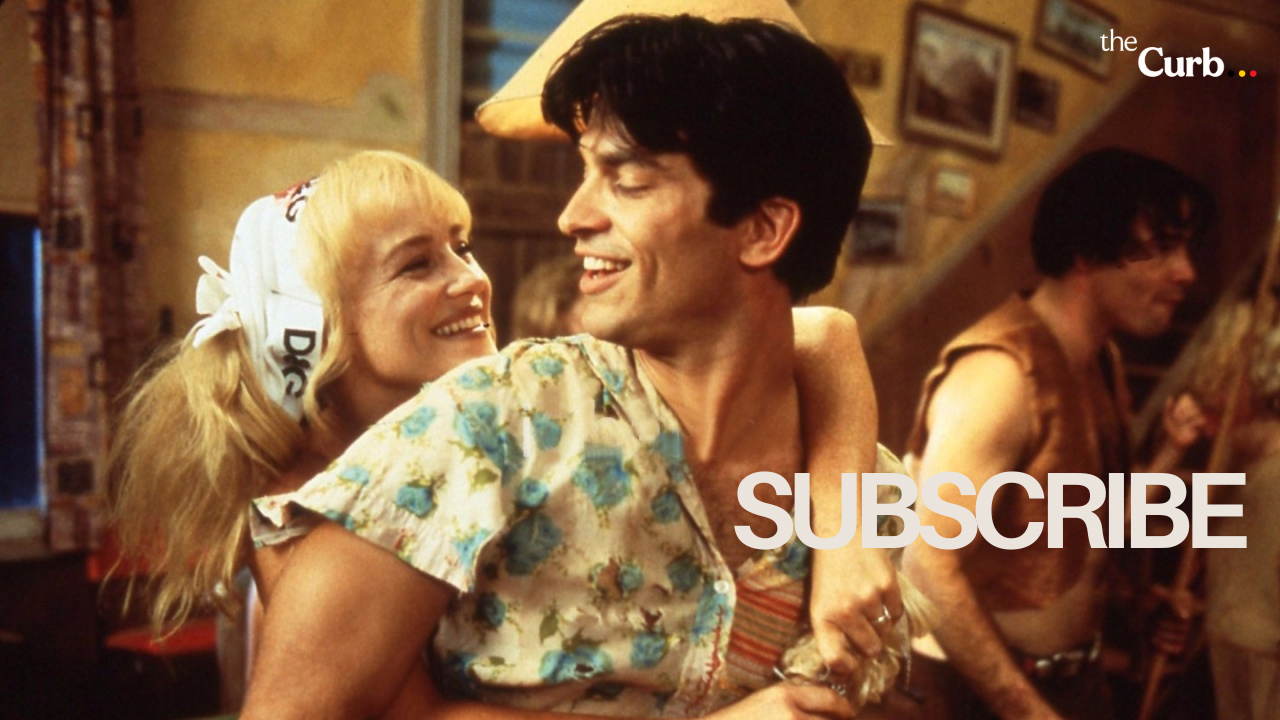
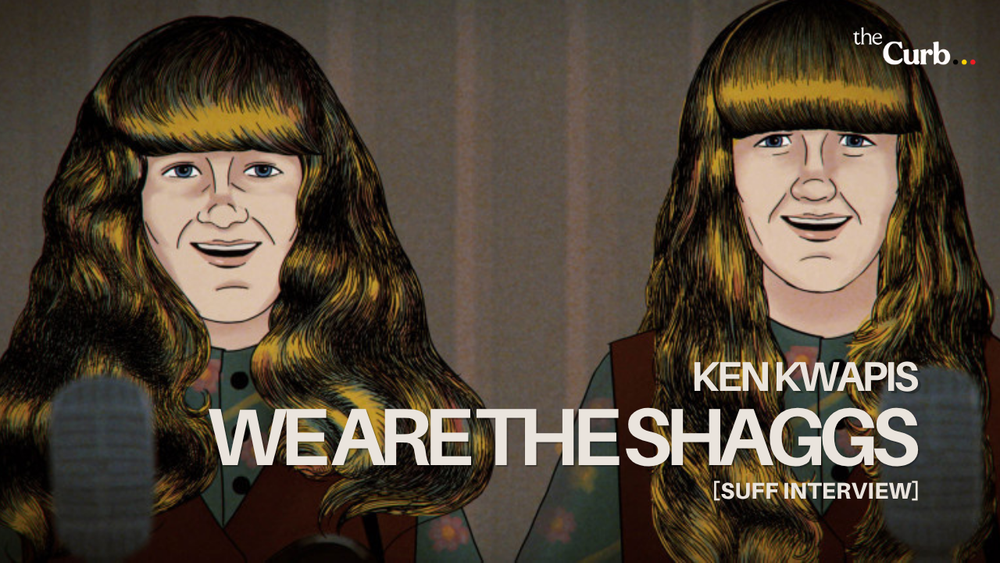
Ken Kwapis opens his delightful and genuine documentary We are the Shaggs by having a group of people listen and react to a song by The Shaggs. It’s almost a challenge asking if the audience can stick with the film after hearing the odd music created by three teens sisters — Dorothy, Betty, and Helen Wiggin from the mid to late 1960s.
It’s impossible to fundamentally understand how the documentary functions as a loving tribute unless one experiences one of the band’s songs. So, for your consideration… “My Pal Foot Foot.”
Foot Foot was the name of the family cat and Dorothy (Dot) Wiggin isn’t being at all ironic in her lyrics. In fact, it’s the naked authenticity of the sisters and their, shall we say, divisive music that makes We are the Shaggs such as fascinating film. But the earnestness of the sisters is only a small part of the story that Kawpis puts together through interviews with Dot and Betty, Shaggs enthusiasts, musicologists, and stories told by audio engineers, bands, and tales of the legendary status the Wiggin girls were given by Frank Zappa, Captain Beefheart, Kurt Cobain, and Patti Smith.
Perhaps the best place to start is with their father, Austin Wiggin Jr. One day his mother told him his fortune. The first two predictions came true: Austin would have two sons he would not know and he would marry a strawberry blonde woman. The third was that his daughters would become famous musicians.
In 1965 he decided to pull Dot, Betty, and Helen out of school. He handed them instruments (two guitars and a small drum kit), got them music lessons (honestly this part puzzles me), and essentially chained the three Fremont, New Hampshire teens to a life of strictly regimented practice. The Shaggs were born regardless of what the actual band members thought about it.
If you listened to “My Pal Foot Foot” you will have noticed that it’s a distinct oddity. Helen on drums is playing in varying time signatures. Dot on lead guitar and Betty on rhythm guitar (both on vocals) were also playing and singing in changeable time signatures and in tunings that weren’t so much tunings as they were randomness impossibly repeated. And, until the death of Austin (and Helen running away to get married) The Shaggs played gigs for people they should have been in school with and who definitely did not appreciate whatever the opposite to dulcet tones that The Shaggs were delivering.
It very much helps the documentary that Ken Kwapis is an enthusiastic “Shagg-head” and approaches his subject without cynicism. The obvious appreciation is both welcome and surprising for surviving members Dot and Betty who are both in their seventies. Although, Ken is far from the only fan who got in touch with the sisters after the re-release of 1969’s ‘Philosophy of the World’ album in 1980.
We are the Shaggs is irresistible. Even if you find the music unlistenable (and that’s a common reaction), it’s hard to deny the innocence and openness that the Wiggin sisters put both into their songs and into their wonderful reminiscing.
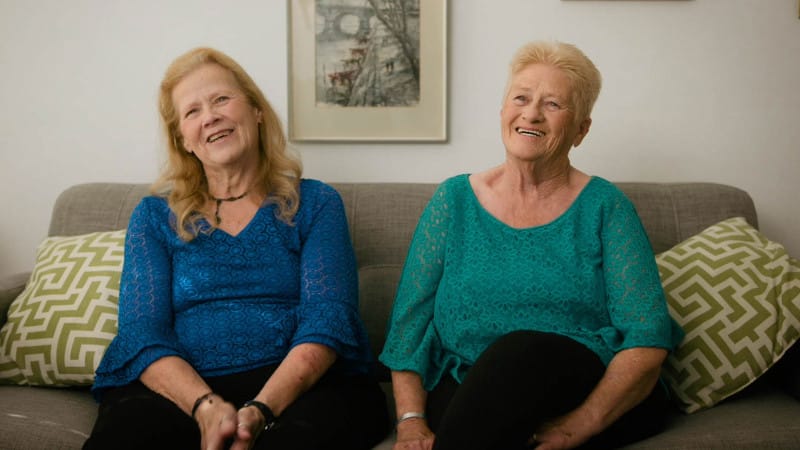
Nadine Whitney was fortunate to speak with Ken Kwapis about the documentary.
Buy tickets to see We Are The Shaggs at the Sydney Underground Film Festival here:
the Curb... is a completely independent and ad free website that lives on the support of listeners and readers just like you. Visit thecurb.com.au/subscribe, where you can support our work from $2 a month. Paid subscribers get access to our monthly competitions, exclusive interviews and articles, and more.
 the Curb