
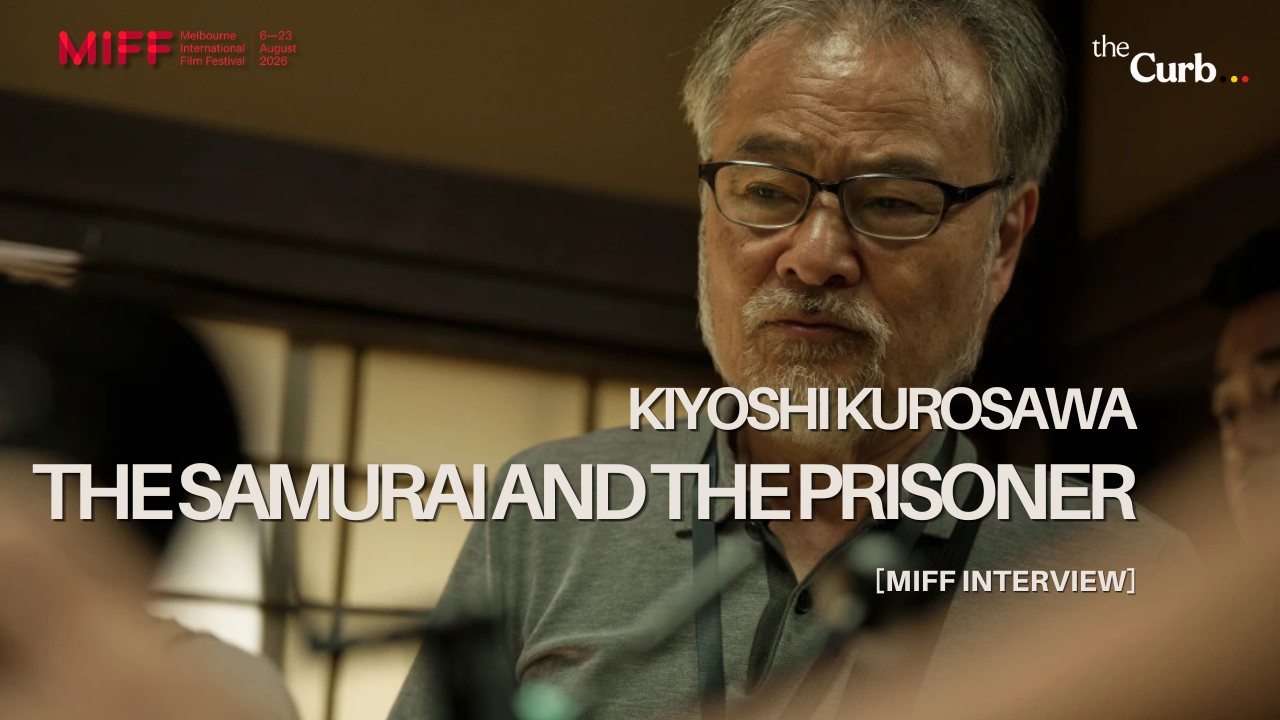
The legendary Japanese director brings the art of suggestion to jidaigeki with The Samurai and the Prisoner, a murder mystery set inside a besieged 16th-century castle.
Kiyoshi Kurosawa has spent forty-odd years and forty-odd films teaching audiences to be frightened of what they cannot see. The vengeful nothing at the centre of Cure, the internet-borne despair of Pulse, the quiet household catastrophe of Tokyo Sonata. What links them is less horror than a habit of attention, a willingness to let the worst thing sit just outside the shot and trust us to supply it ourselves. There is a certain logic to his first period film, made at 70, being a samurai picture in which almost nobody is seen to die. Watching an entire genre get politely declined for two and a half hours turns out to be stranger, and far more suspenseful, than any amount of arterial spray would have been.
Kurosawa has been candid about wanting the film to faithfully reconstruct the jidaigeki tradition, the Japanese period cinema, exemplified by films such as Masaki Kobayashi’s Harakiri. Like many of the jidaigeki made during the genre’s postwar heyday, Kurosawa’s film was shot at Shochiku’s Kyoto studios, with Tetsuo Harada, a production designer steeped in the form, rather than his usual collaborator Norifumi Ataka.
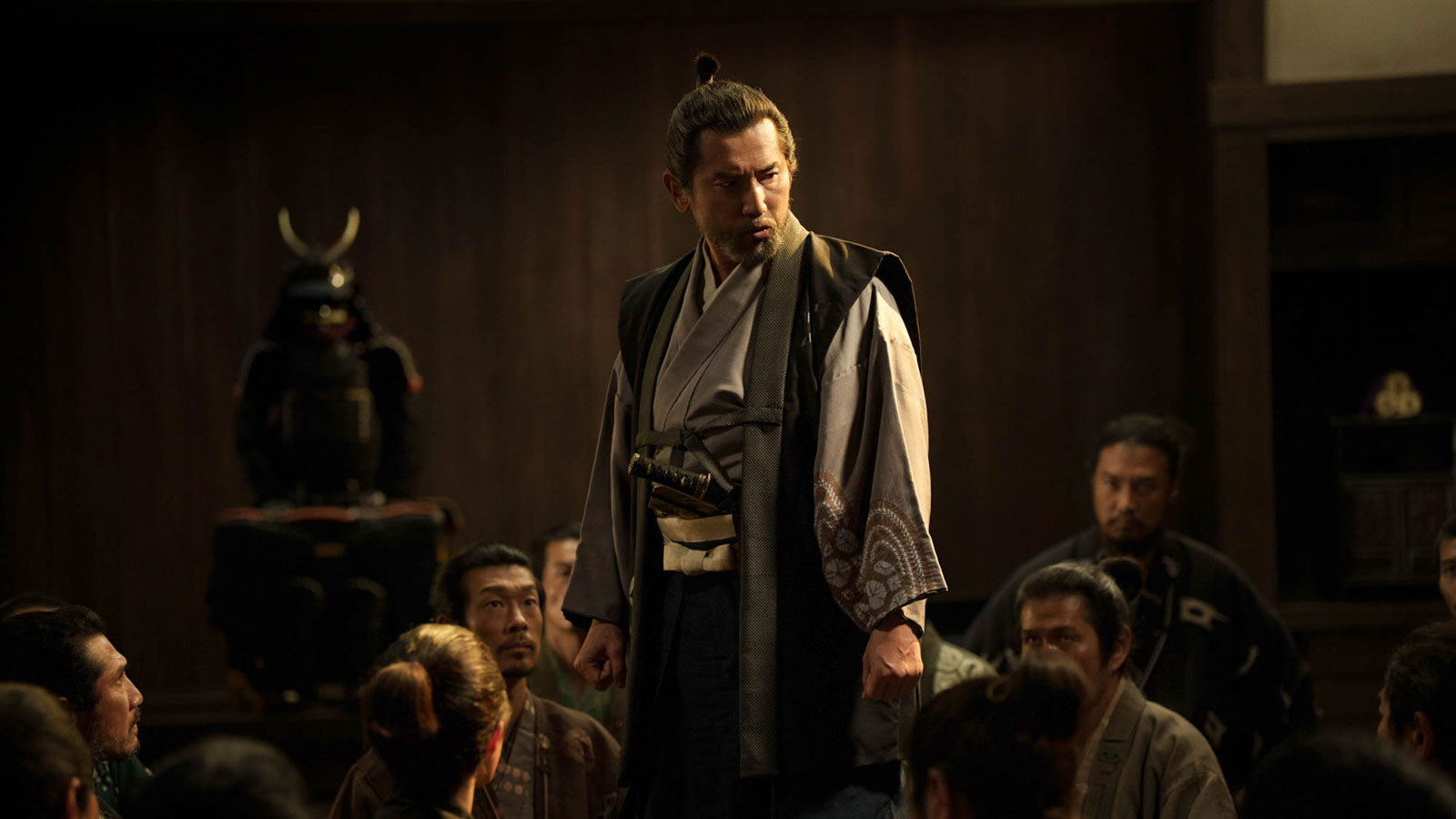
The Samurai and the Prisoner is an adaptation of Honobu Yonezawa's prize-winning 2021 novel Kokurōjō and takes place almost entirely inside a besieged castle in the winter of 1578. There, the warlord Araki Murashige (Masahiro Motoki), is holding out against the master he betrayed. When a murder takes place in the castle that cannot be explained, Murashige must consult the enemy strategist Kuroda Kanbei (Masaki Suda) he has locked in the castle’s prison. This becomes the first of several mysteries that require Kanbei’s Sherlock Holmes-like deduction to understand.
Andy Hazel spoke to Kurosawa the morning after the film’s Cannes premiere at which Ryusuke Hamaguchi, Koji Fukada and Yukiko Sode all came to pay their respects.
The Samurai and the Prisoner screens at the Melbourne International Film Festival on 15 & 23 August 2026.

Where did the idea for the film come from?
Kiyoshi Kurosawa: I already knew about Araki Murashige, a 16th-century warlord who served the famous Oda Nobunaga, betrayed him, held out in his castle for months while surrounded by Oda's forces – and then left, abandoning his own people. In Japanese history he is known as a bad guy, the man who ran away. That character interested me. Then I came across the novel I ended up adapting, in which he is the protagonist and which asks why he might have decided to leave them behind. Once I found that, I thought, ‘Maybe I want to turn this into a film’.
What was it in him that made you want to portray him this way?
KK: Historically it is a mystery what compelled him, so the book is a fiction wondering about it. He lived in the Warring States era, when the samurai way of life and the honour code were very strong. The values of the time were clear-cut. So why did this man decide to leave? Perhaps there was something about his era he did not want to be part of, something he wanted to escape even if people saw him in a bad light. He freed himself from values everyone around him treated as universal. There is something there I can admire. So, I made the film a story about how this person achieves freedom.
The story is very specifically rooted in Japanese history, but the audience here was responding throughout the screening. What do you think allowed it to travel so easily across cultures?
KK: I was very worried, because I am dealing with a part of Japanese history that even an ordinary Japanese person might not know. There are a lot of proper nouns, a lot of names, and I was sure international audiences would think, ‘Who is this, I have never heard of these people’. After the reception, I thought it comes down to the power of what film can do. People may not understand every detail, but they understood the drama and the struggle, and the change Murashige goes through. It helps that if you have seen enough movies you know roughly what a samurai is. But to have actors be on screen as if they exist – that transcends cultural and linguistic difference.
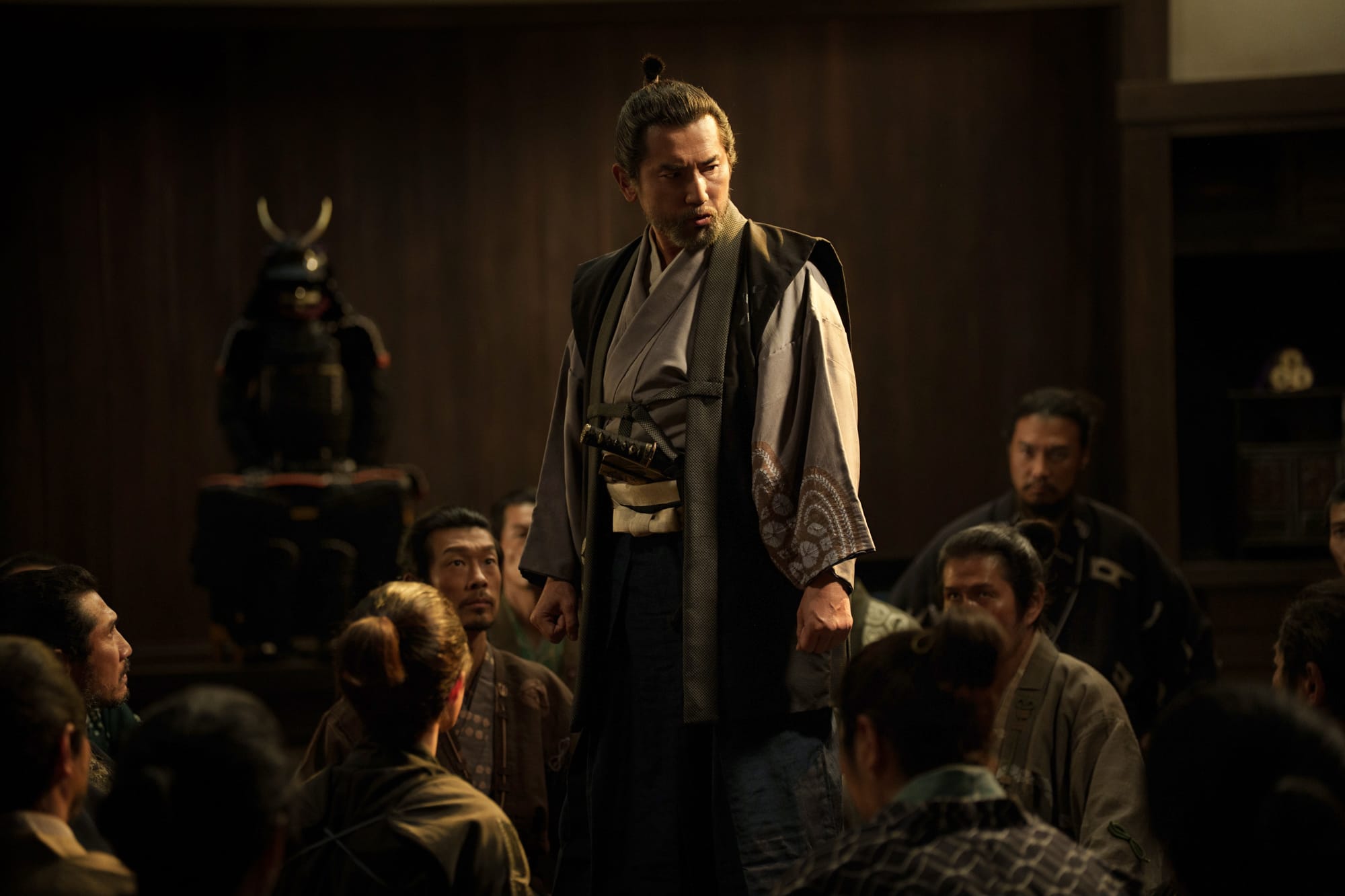
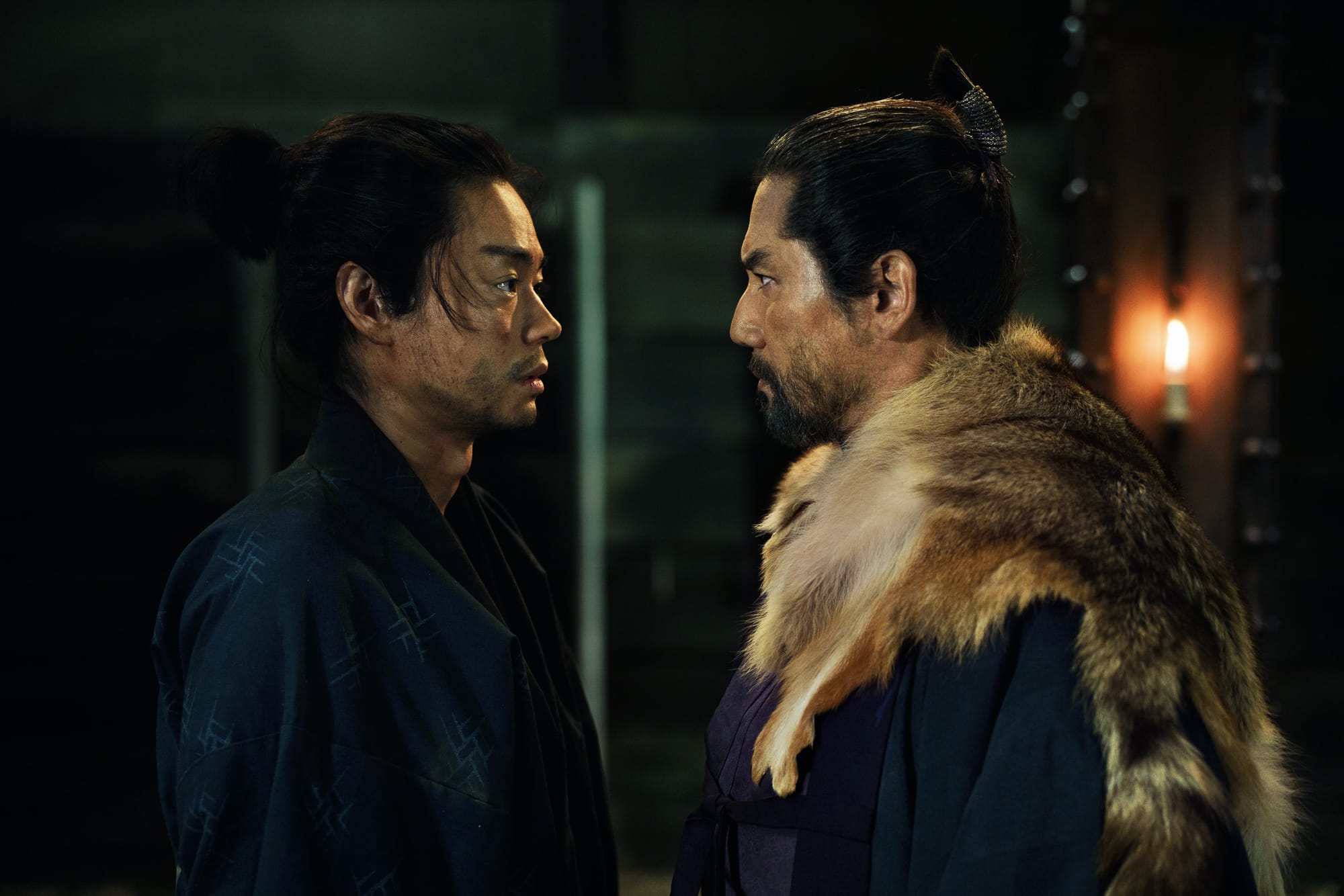
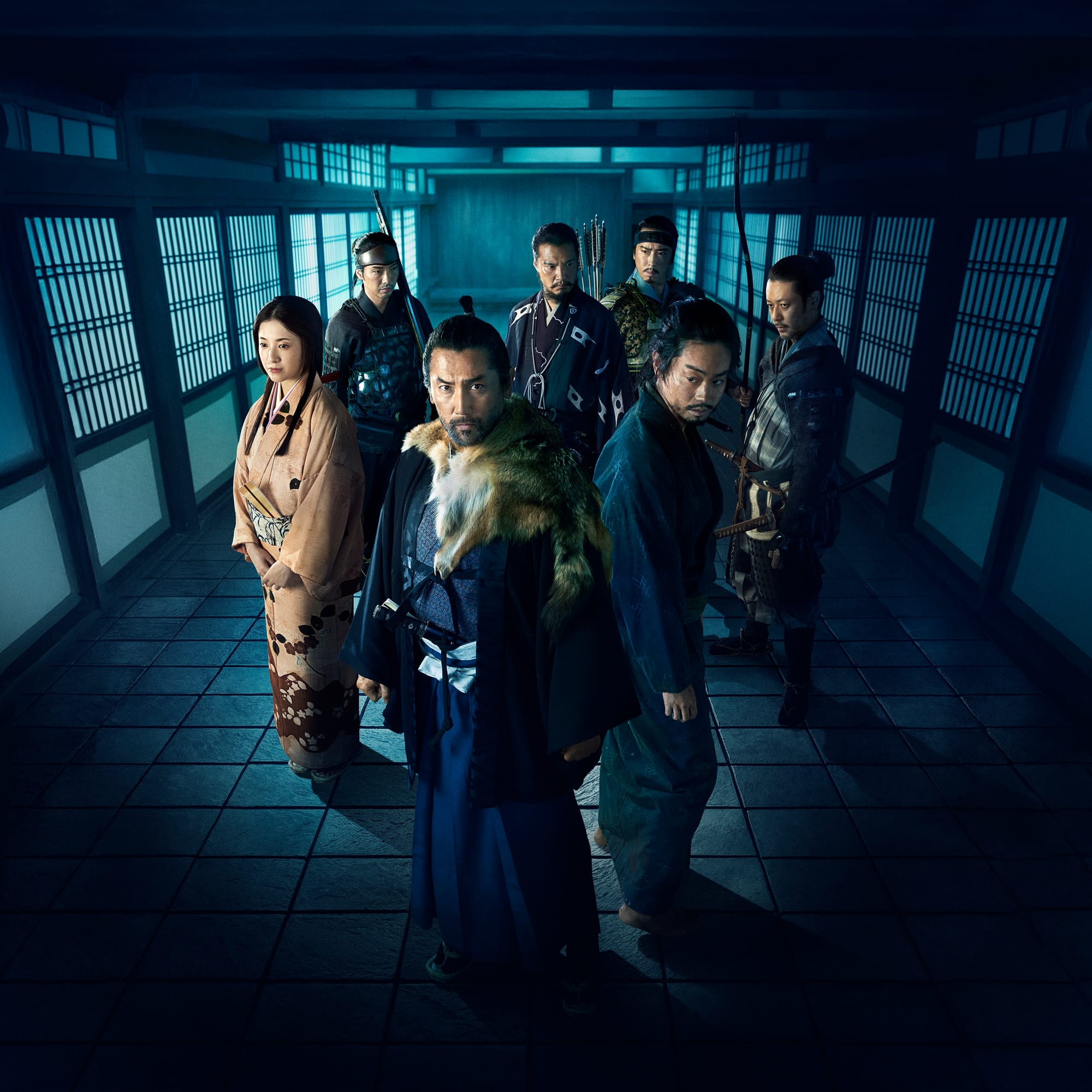
Photo credit: Charades
This is your first period film, and people are also describing it as a murder mystery. Did this new genre change how you worked?
KK: Very much. With horror and thriller, what interests the audience is what will happen next, and next. With a mystery it is about what happened in the past, a completely different approach. What I did intentionally was refuse to rewind time inside the film, so there are no flashbacks, nothing convenient to the story. For me the biggest mystery is why Murashige left the castle, and what I wanted to express is the change in the character. So we watch him work out the crime, his retainers listen, and through that the change is expressed. It also meant a great deal of dialogue. I had always wanted to make a jidaigeki, but the kind I imagined was chanbara, full of sword fighting. When I went back into film history looking for conversational period films to reference, I realised there are very few, and you do not see them today. This meant I could approach this with a fresh perspective.
How did you approach violence?
KK: That is something I thought hard about, because we are dealing with a violent era. What I did was reference the masterpieces of 1950s Japanese cinema. There are violent scenes in them, scenes of killing, but no extreme depictions. They leave the impression that something violent has happened. I decided to take a similar route. With today's technology I could show everything, using CGI or any digital tool, but I wanted to be more suggestive.
The film is full of spirituality – karma, mercy, divine retribution. Do those land differently in Japan?
KK: It is hard to say, because I do not know whether young people in Japan would necessarily understand them either. There are spiritual and mythical ideas, Buddhist teachings, that are not familiar in the contemporary world. But Murashige accepts some of them while questioning them at the same time. He questions each value, to the point of questioning the samurai way of life and his own old desire to rise to power and arrives at the realisation that what he likes is tea, the tea ceremony, and the beauty in that. So, while the film's world is full of traditional values, Murashige himself is not steeped in them. I believe a younger or international audience will not lose that core.
You have made a film about a general who values life above the honour code, at a moment when wars are raging. You also signed the filmmakers' call for a ceasefire in Gaza. Is it the same message?
KK: Considering the current political situation, it is hard to know how effective or influential film can be. I know mine is a Japanese film, and Japanese film is not very influential at the moment. But what I feel towards society ends up reflected in my work. It may not be intentional, but there is always a link. Knowing that, I feel there is a true responsibility in showing a film to an audience. Perhaps these words sound utopian, or unrealistic — but I truly, truly hope that all wars in this world will disappear.
And after this?
KK: Nothing is set. I always do what is possible; I do not dream of things that are not achievable. But whenever I am asked this, my answer is the same: I want to do something I have never done before. This is my first jidaigeki, but I have never made a chanbara. I have never made a musical. There are so many genres I still have not touched. There is much left to be done.
This interview has been edited for length and clarity; Kurosawa spoke through an interpreter.