
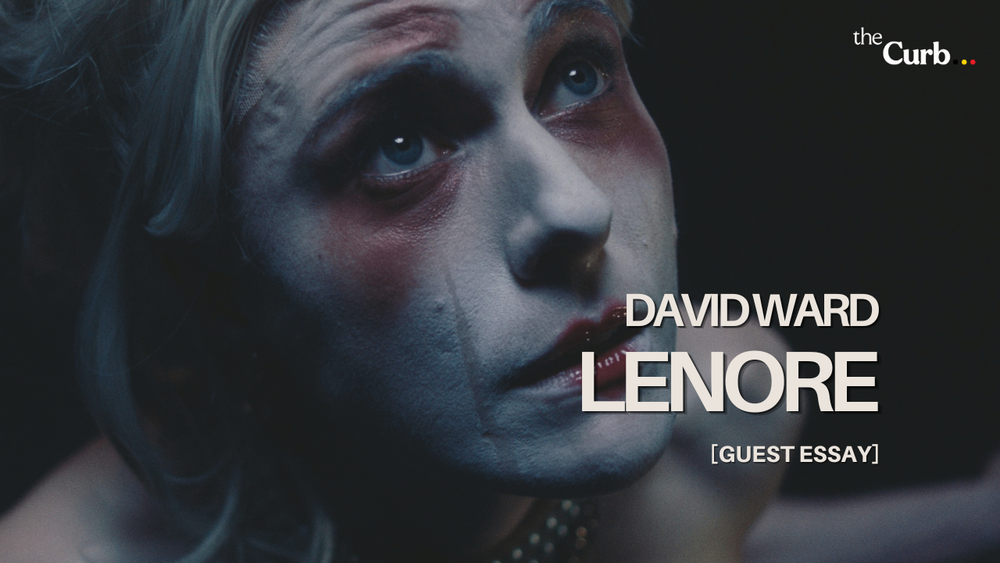
“When you are on the phone or on the air, you have no body”
Marshall McLuhan
I suspect that if he’d lived to see it, McLuhan might’ve expanded that sentiment to include ‘online’.
Online, we are transformed into disembodied objects; things to be observed rather than comprehended. We now all enact large chunks of our lives entirely within these disembodying digital spaces; forming passionate, intense relationships with one another’s content and images, untethered from the painful reality of body and soul. A life lived online offers us the illusion of boundless intimacy, connectivity and understanding, whilst only serving to fundamentally detach us from a shared reality.
It is this detachment, as well as the horrors that arise from it, that sits right at the heart of Lenore— right down to the film’s central figure; a sad, lonely and dangerous man named Max Wren, whose entire reality is itself propped-up by a flimsy illusion of intimacy and understanding.
Holed-up in the basement of an otherwise empty home, Max lives a life of cloistered devotion; endlessly obsessing over the enormous body of work of his beloved Lenore—a controversial yet acclaimed online performance artist who has recently disappeared following a very public scandal and humiliation—scouring her art and career for the truth, imaged or otherwise, as to who this woman is and where she’s gone.
What Max fails to understand however is that Lenore herself is an illusion: a persona created by the performer and creator Veronica Brand, a digital mask that she slips on-and-off to perform various aspects of her life for the camera. Lenore is a vessel, capable of transforming herself endlessly to satisfy Veronica’s curiosities and fantasies. Lenore is Veronica’s life as seen through a lens. Lenore is a performance—a fantasy to everyone except Max.
In mistaking performance for authenticity and surveillance for intimacy, Max effectively creates a Hell of his own making; wherein the boundaries between him and Lenore have become so nonexistent, he can no longer decipher fiction from reality.
In this way, Lenore is about the dangers of projection. Max refuses to see Lenore clearly, because to do so would be to shatter his entire existence. His perception is too obscured by his own insecurities, obsessions and prejudices—not to mention his own misgivings about what love actually means—and whilst the consequences of Max’s projections as seen in this film are certainly on the more perverse and horrific end of the scale, I genuinely believe that there’s a little bit of Max latent in all of us.
In this age of unfettered access, where we are all just a few keystrokes away from everything and everyone, I think we are all liable to mistake seeing for understanding…
Lenore screens at the Thornbury Picture House in Victoria with a filmmaker Q&A on 24 September 2026.
Tickets are available here:

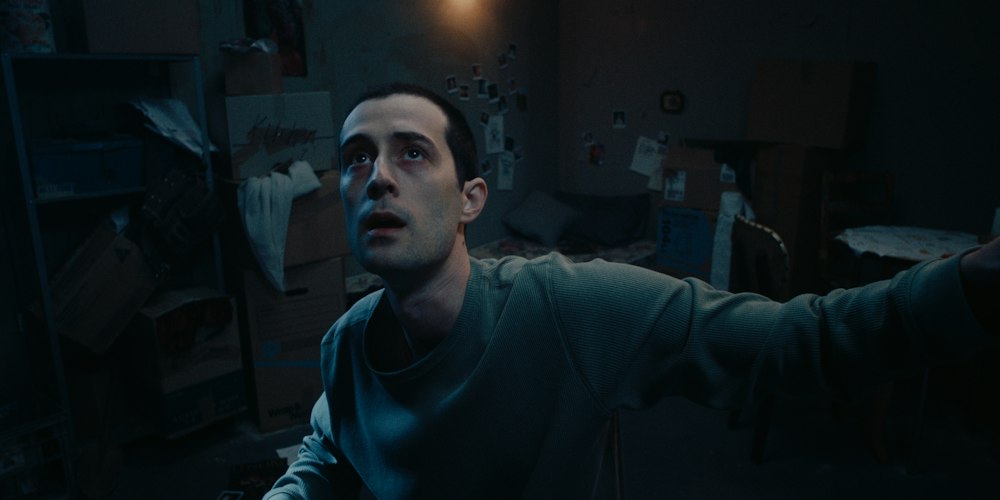
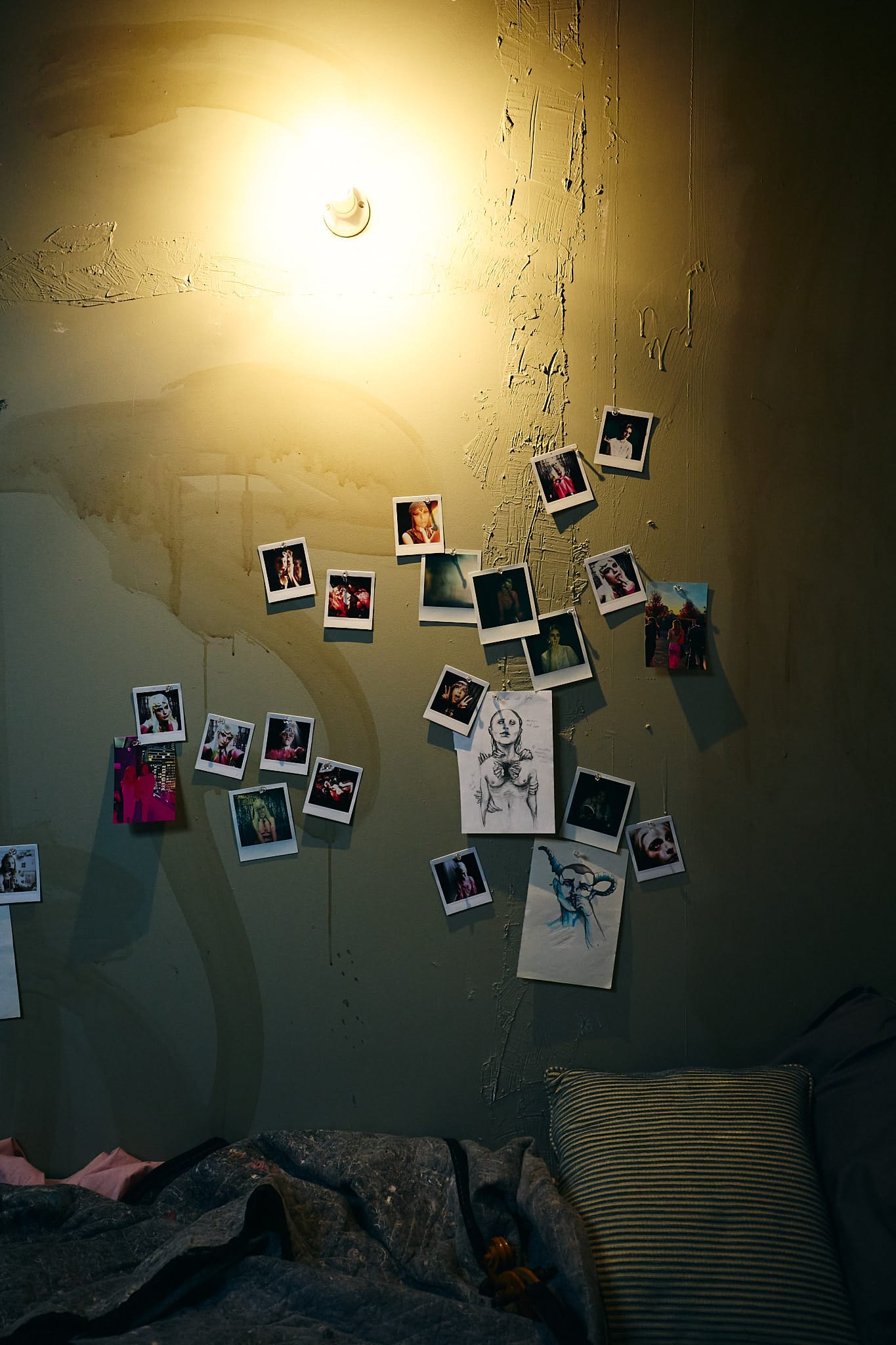
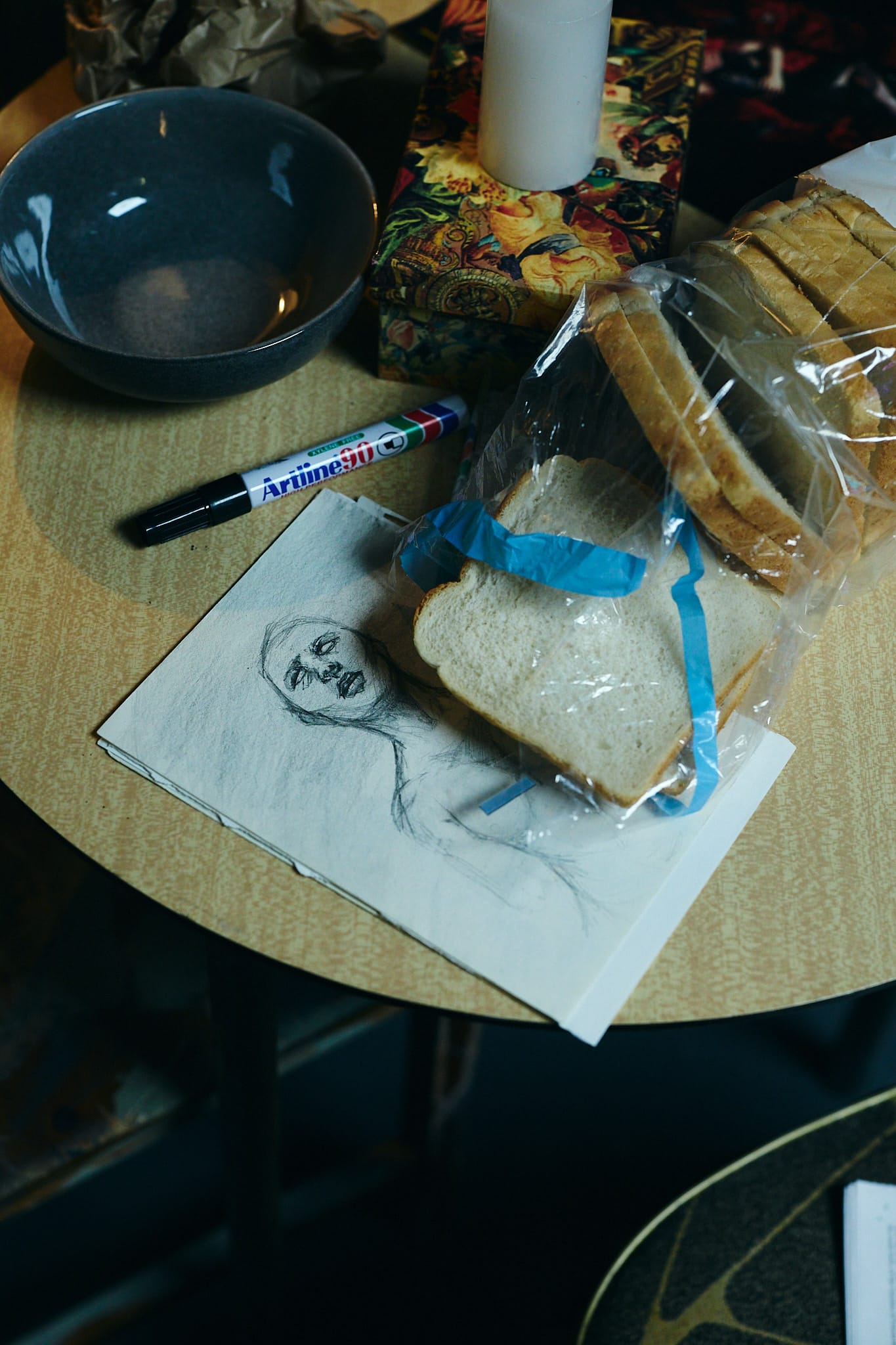
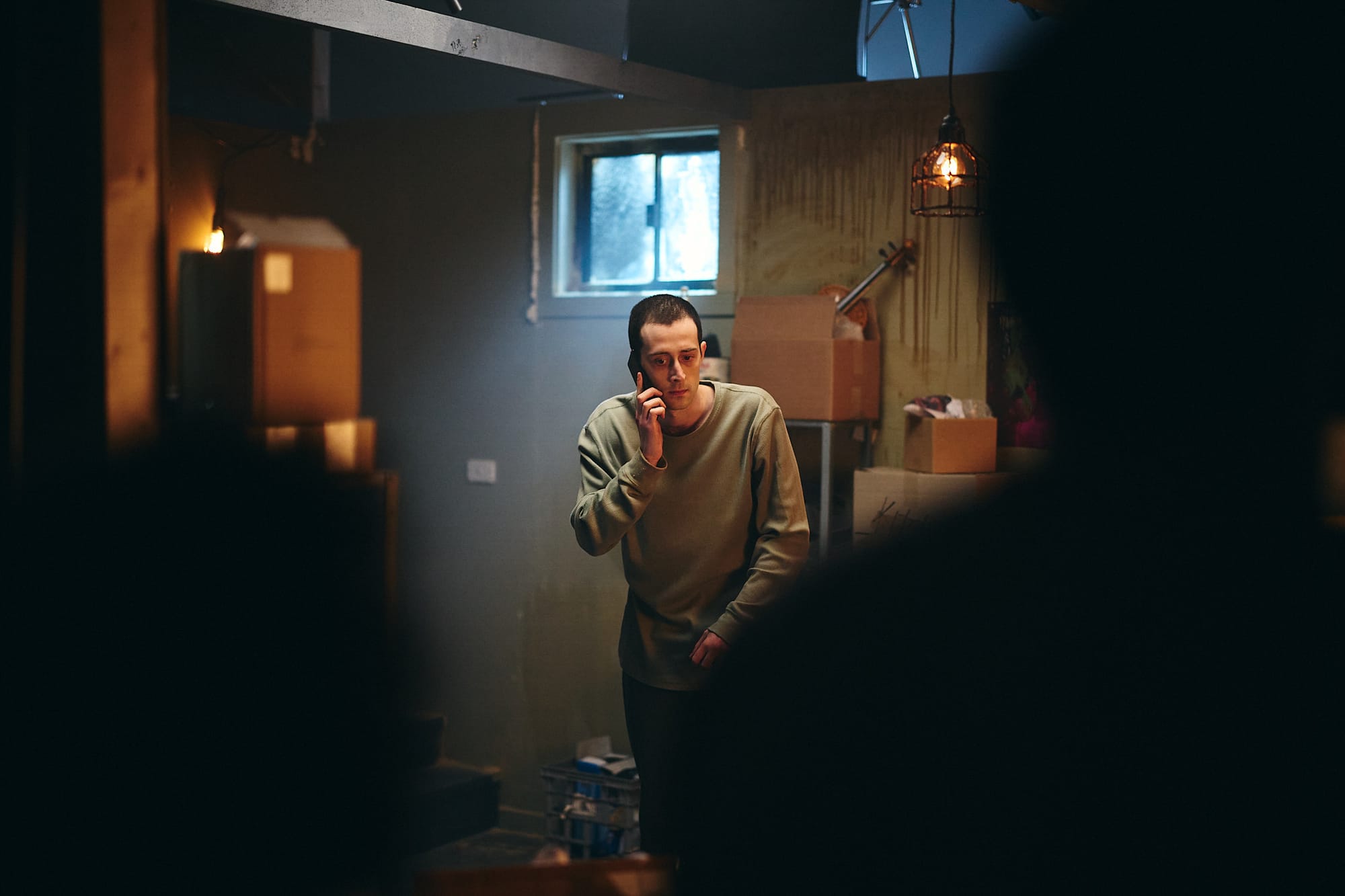
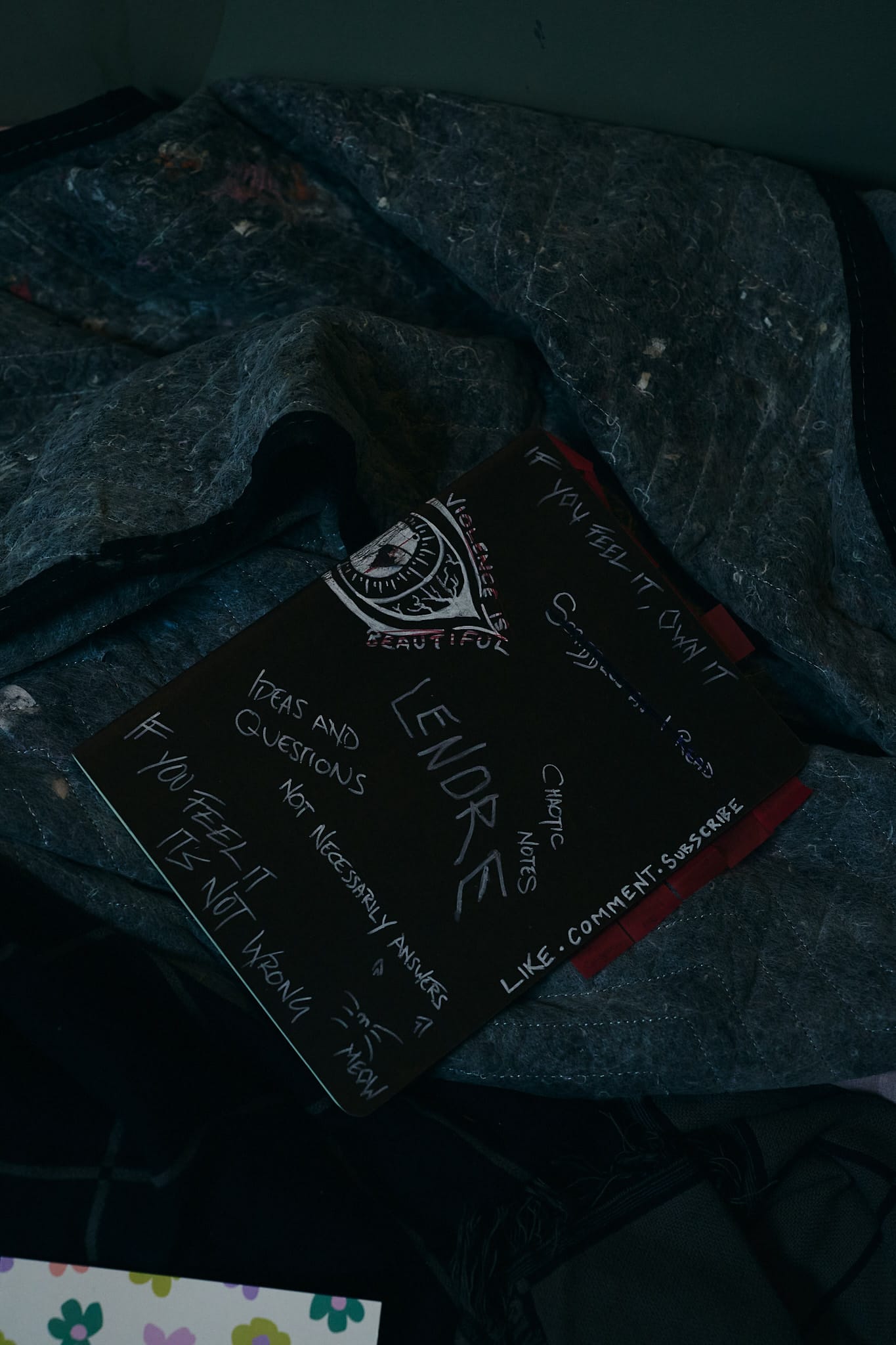
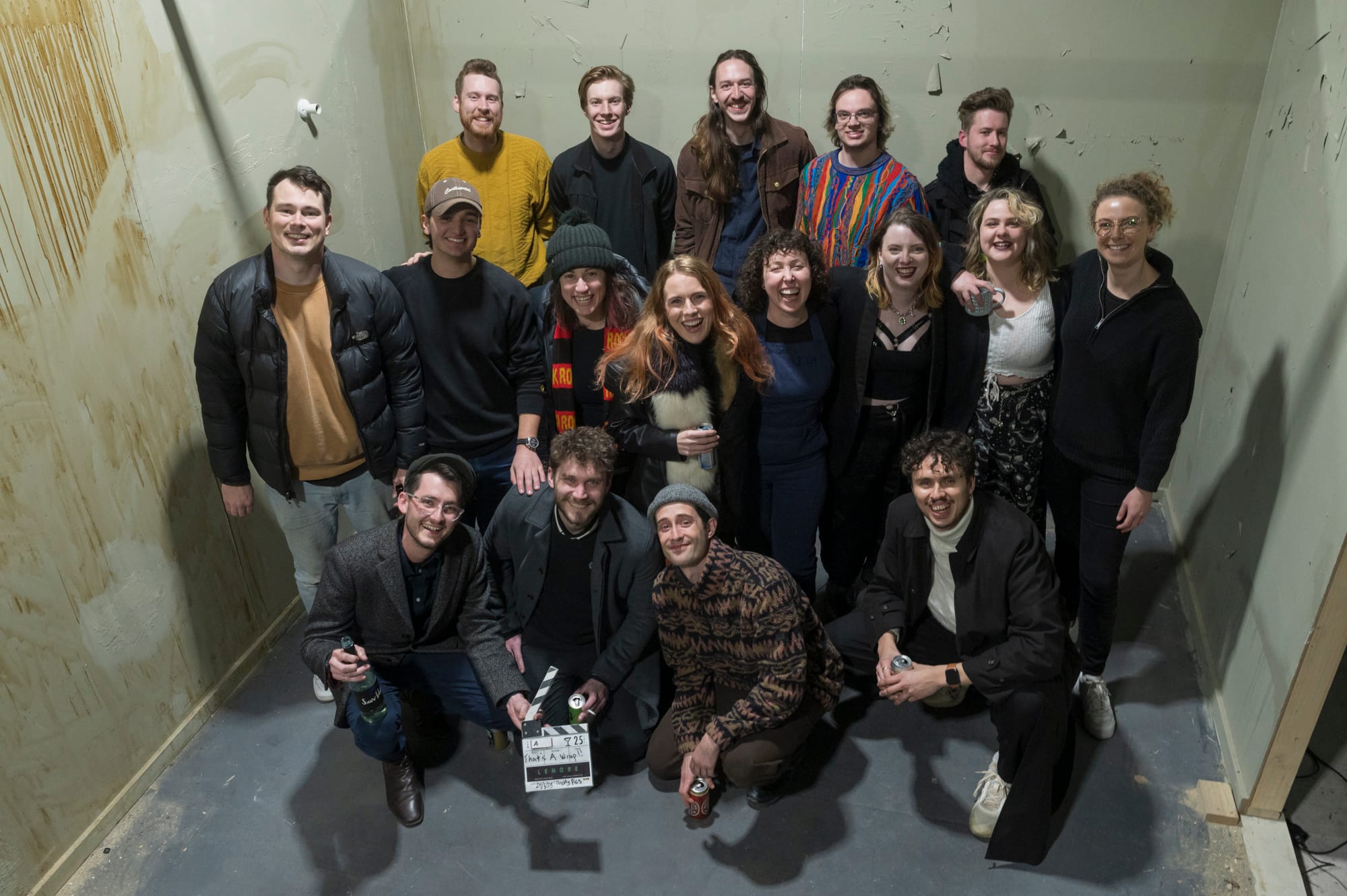

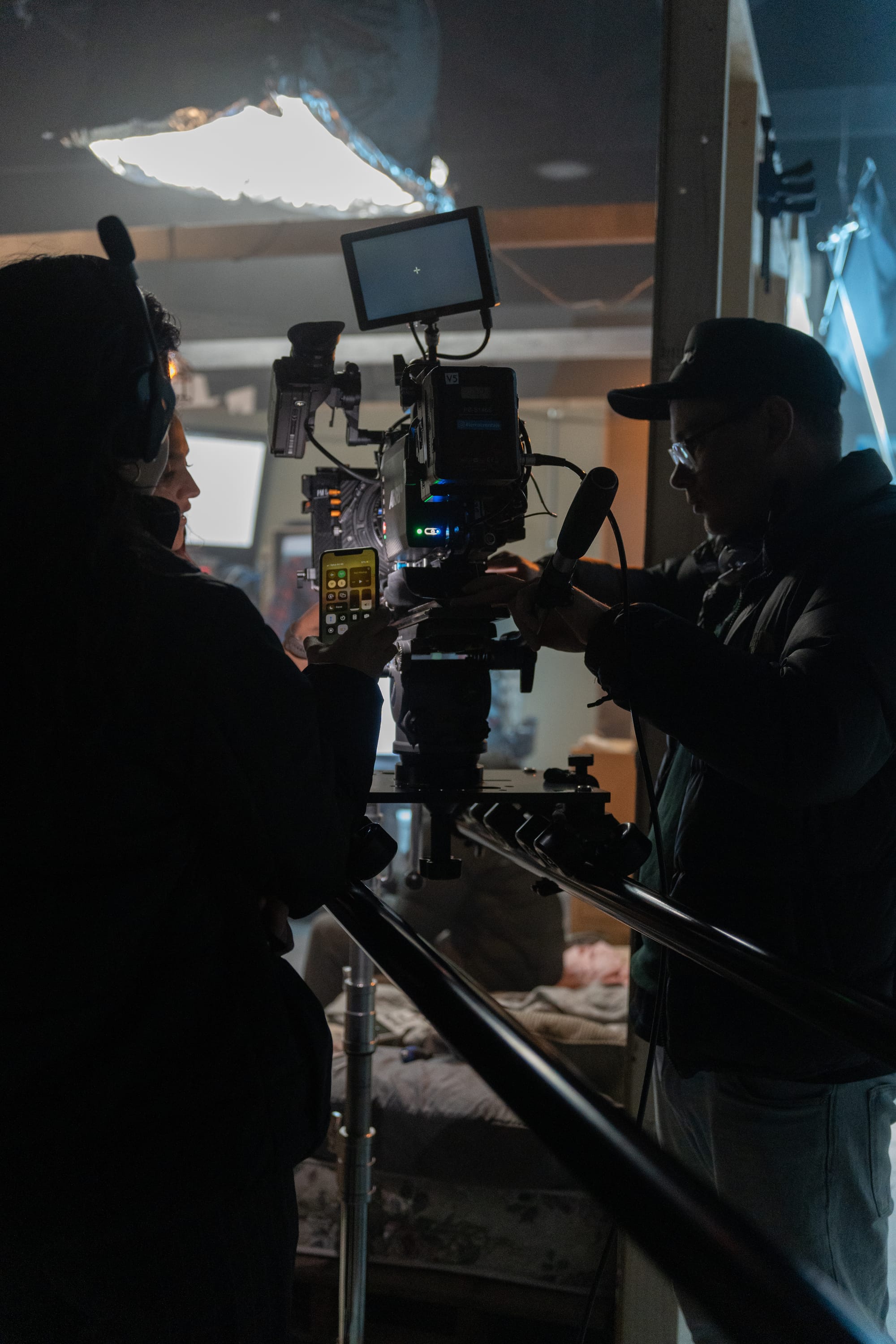
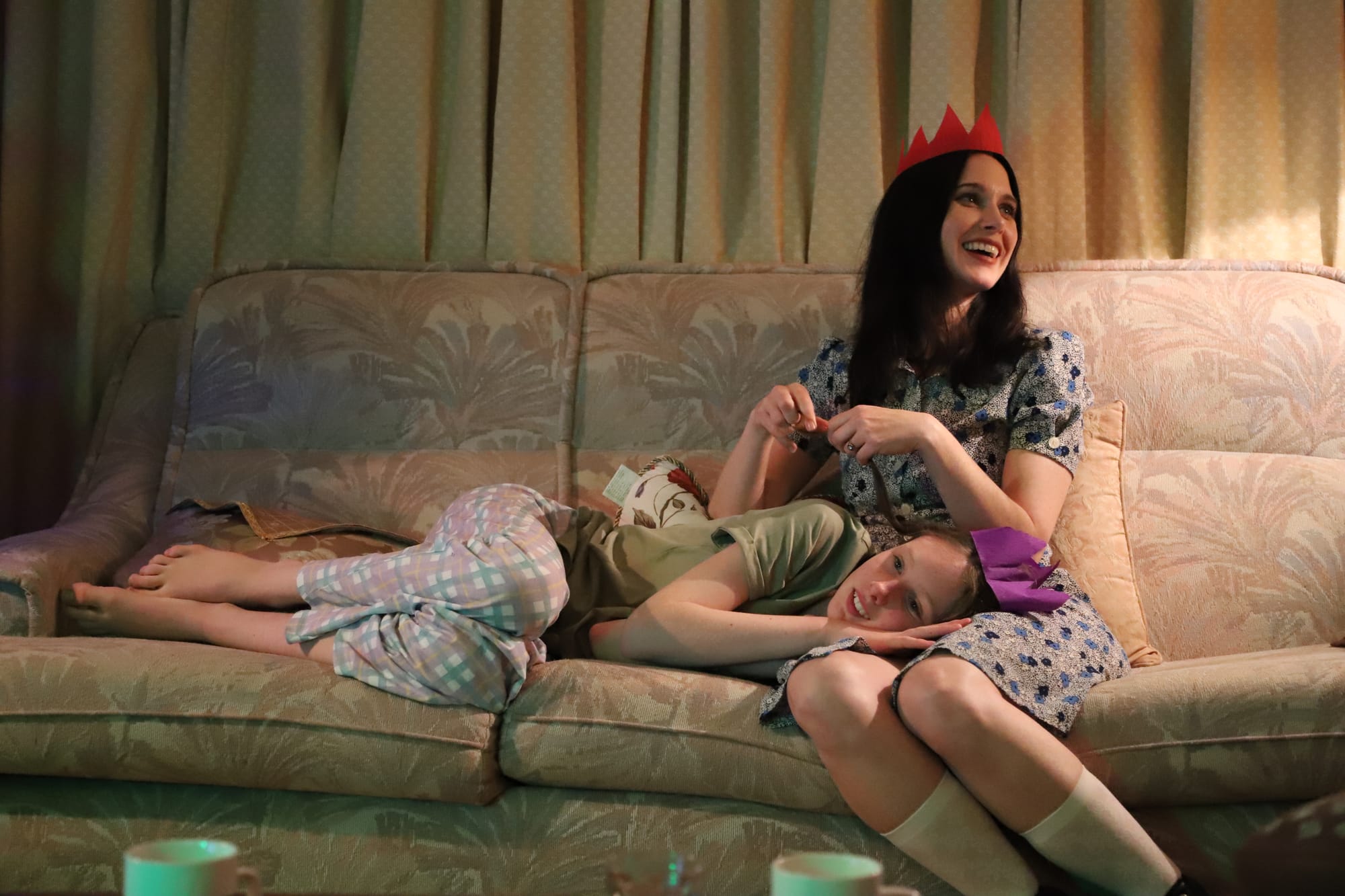
Lenore takes a deliberately impressionistic approach to this subject matter. We often said during shooting that the film takes place in ‘Nowhere Land’, in that it is a film of no specific time or place. Digital and analog technologies sit uncomfortably alongside one another, trying and failing to cooperate. Anything overtly anachronistic was kept to a minimum, as was anything that definitively stated when or where we are. Information is sometimes doled out in the wrong order, without context or explanation, or with critical details missing entirely—as is often the case online.
Again, the film does not aim for verisimilitude; it does not aim to precisely replicate the experience of being online here and now so much as it aims to evoke a particular set of feelings that come with being online: specifically claustrophobia, disorientation and dread.
Moreover, given that the genesis of Lenore is the writings of Poe, the film is also coming at these ideas through the lens of the Gothic. At its core, this is a ghost story (or maybe more like a ‘ghost in the machine’ story) and like many other Gothic horror texts, it is a story about a sin that refuses to stay buried; about how the past always insists on being remembered, online and off. Its single-room location also adds to this very Gothic sense of encroaching, suffocating dread: we sense that something’s very wrong here, but we’re unsure as to why—and the more we learn, the more trapped we become.
Several other sources figure quite prominently throughout Lenore as well. Videodrome looms especially large over this film; aside from their thematic and visual similarities, Lenore also borrows and adapts a couple of very specifically chosen character names from Cronenberg’s film. Similarly techno-driven ghost stories such as Ringu and Pulse were important touchstones—not to mention Perfect Blue for its similarly impressionistic approach to parasociality—as were Haneke’s films Cache and Benny’s Video for their merciless approaches to surveillance and desensitisation respectively.
The end result of bringing all of these disparate texts and influences under one grubby roof is a kind of ‘21st Century techno-gothic-chamber-horror’ film, quite unlike anything else out there: a small yet smart, lurid yet complex film with some serious teeth and a lot on its mind. A huge amount of care, precision, thought and effort has gone into Lenore at every level—from conception through to marketing—and it has been shepherded at every stage by dozens of unbelievably talented, conscientious and dedicated artists; all shaping it into the very strange, unusual and oddly moving film you see before you now.
We are all immensely proud of Lenore and just how far she’s come—and with any luck, you’ll find her just as compelling, unsettling and beautiful as we do.
DAVID WARD
Director, Co-Writer, Co-Producer, Editor | Lenore
SEPT ‘26