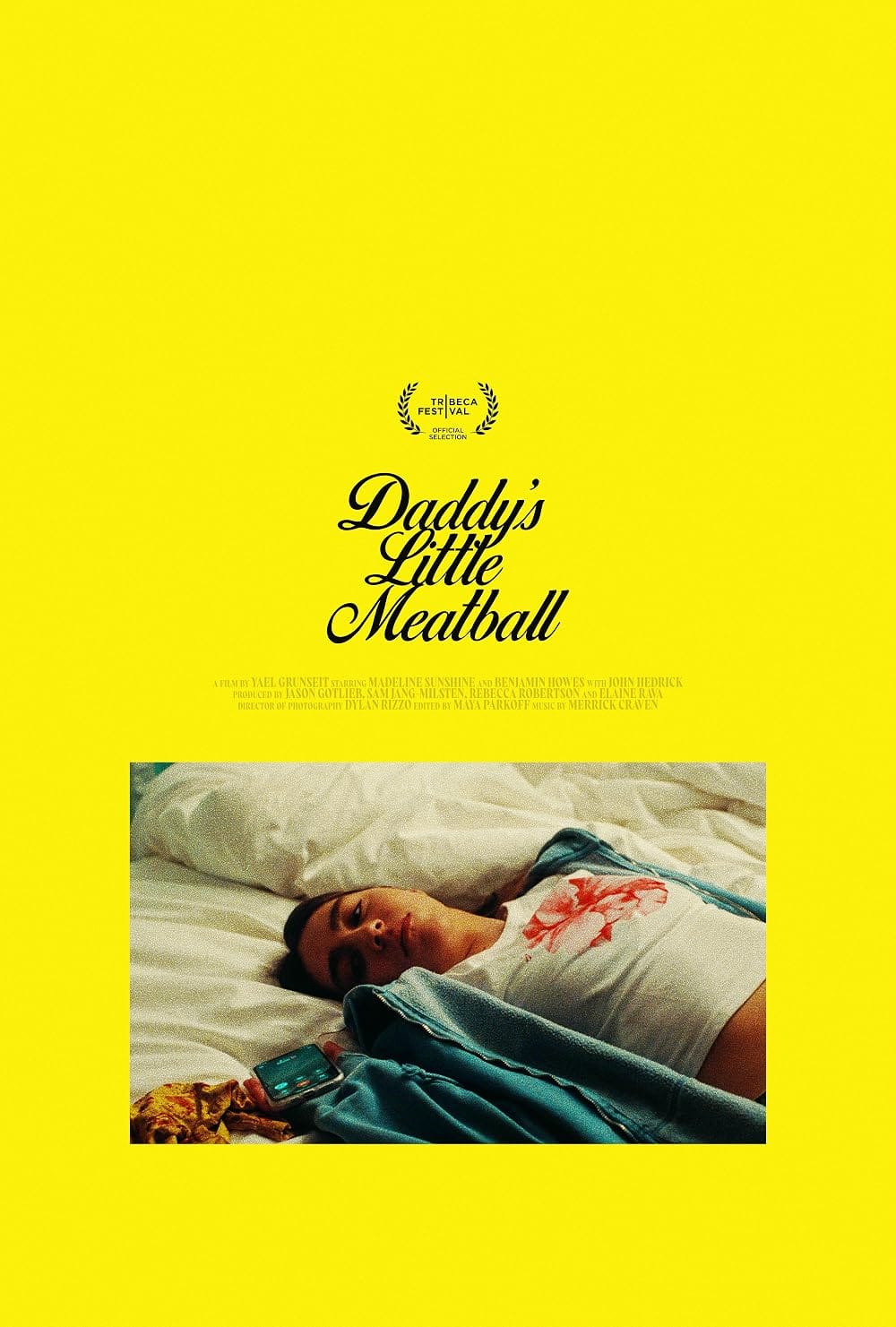
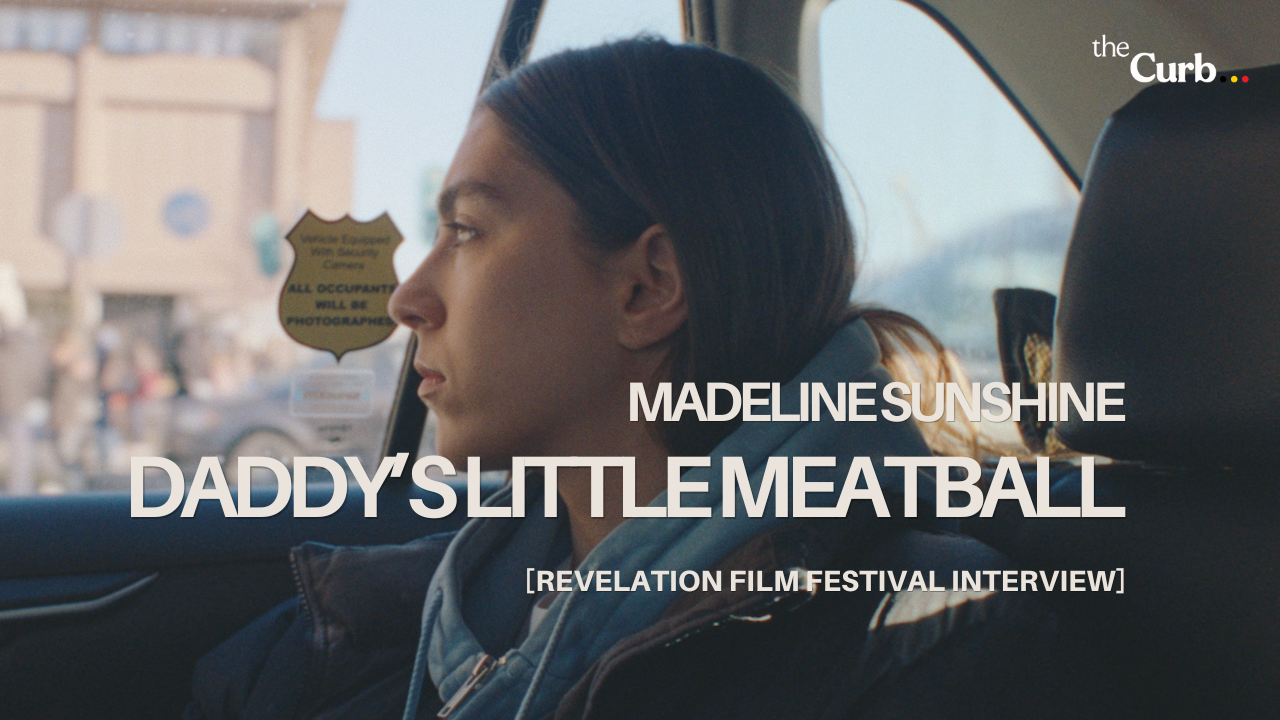
Maddie Sunshine is a creative force who knows exactly what she wants to do as an artist. When she’s not busy setting TikTok afire, she’s acting in award winning short films like Yael Grunseit’s superb Daddy’s Little Meatball.
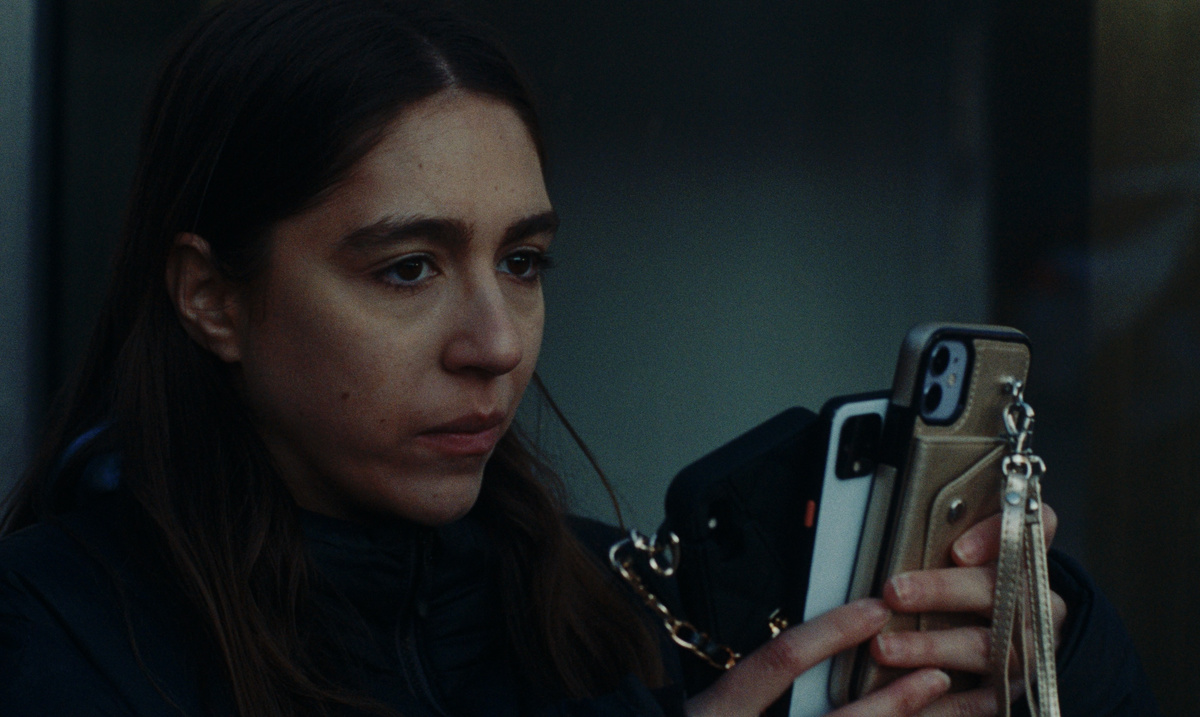
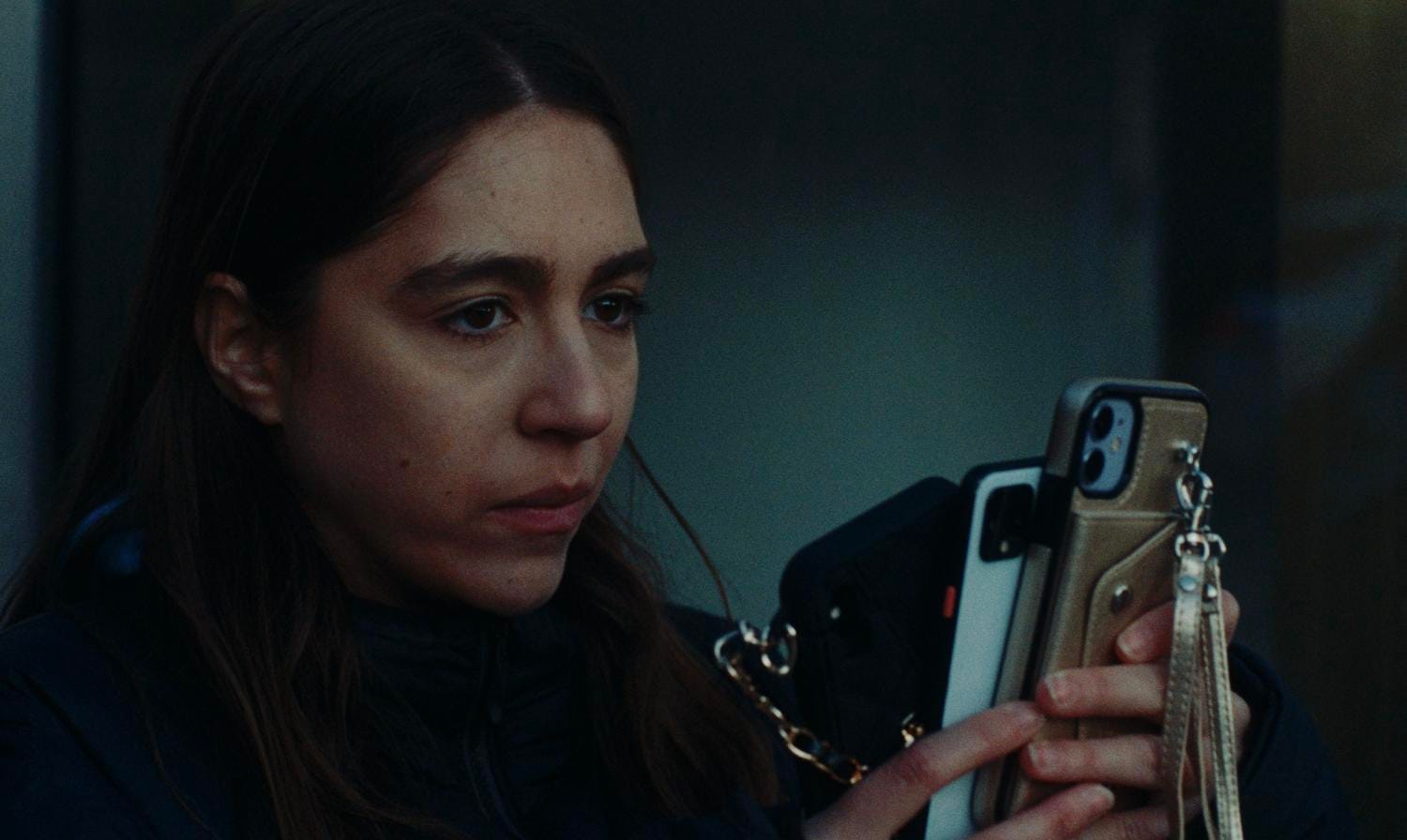
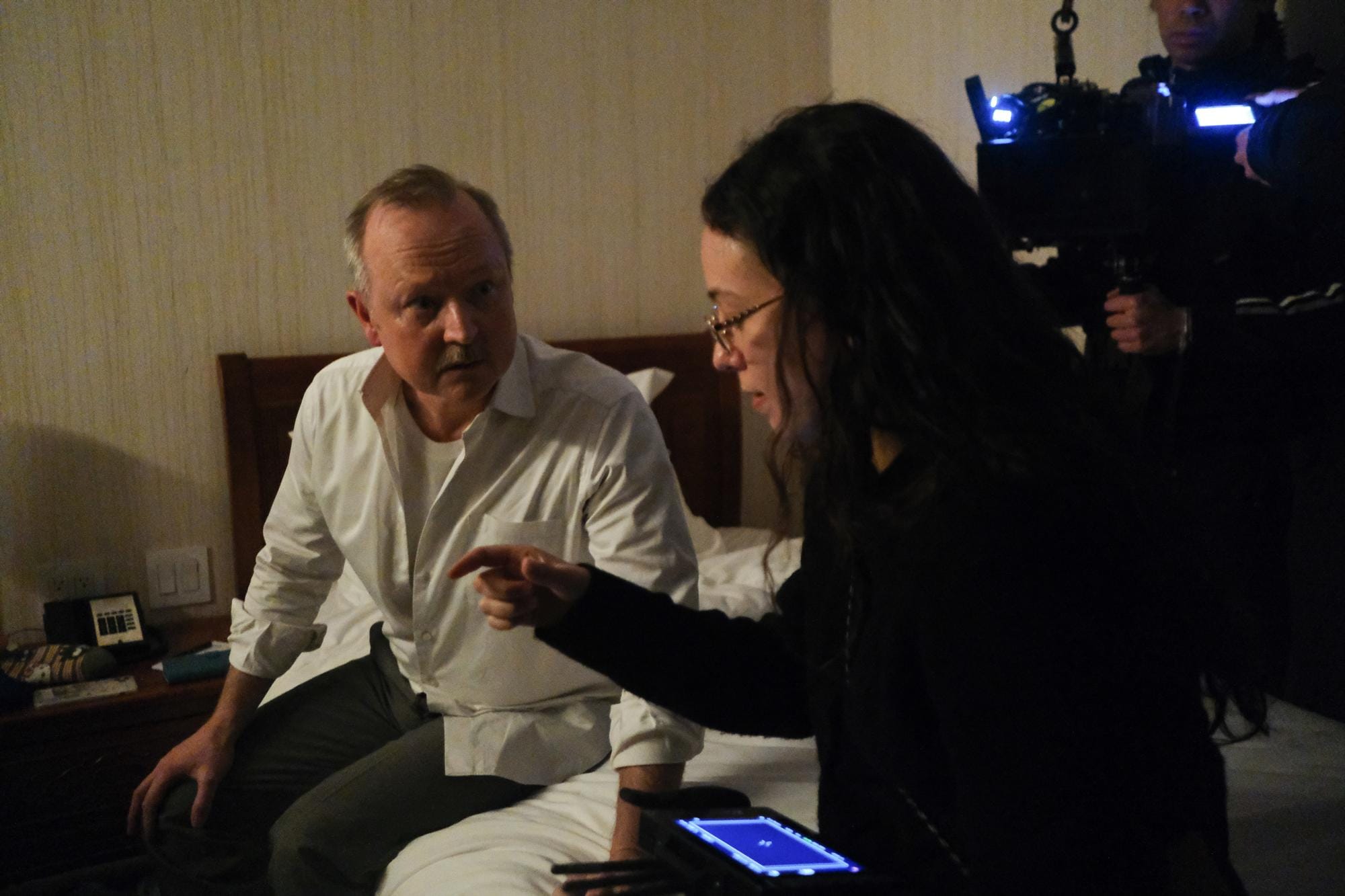
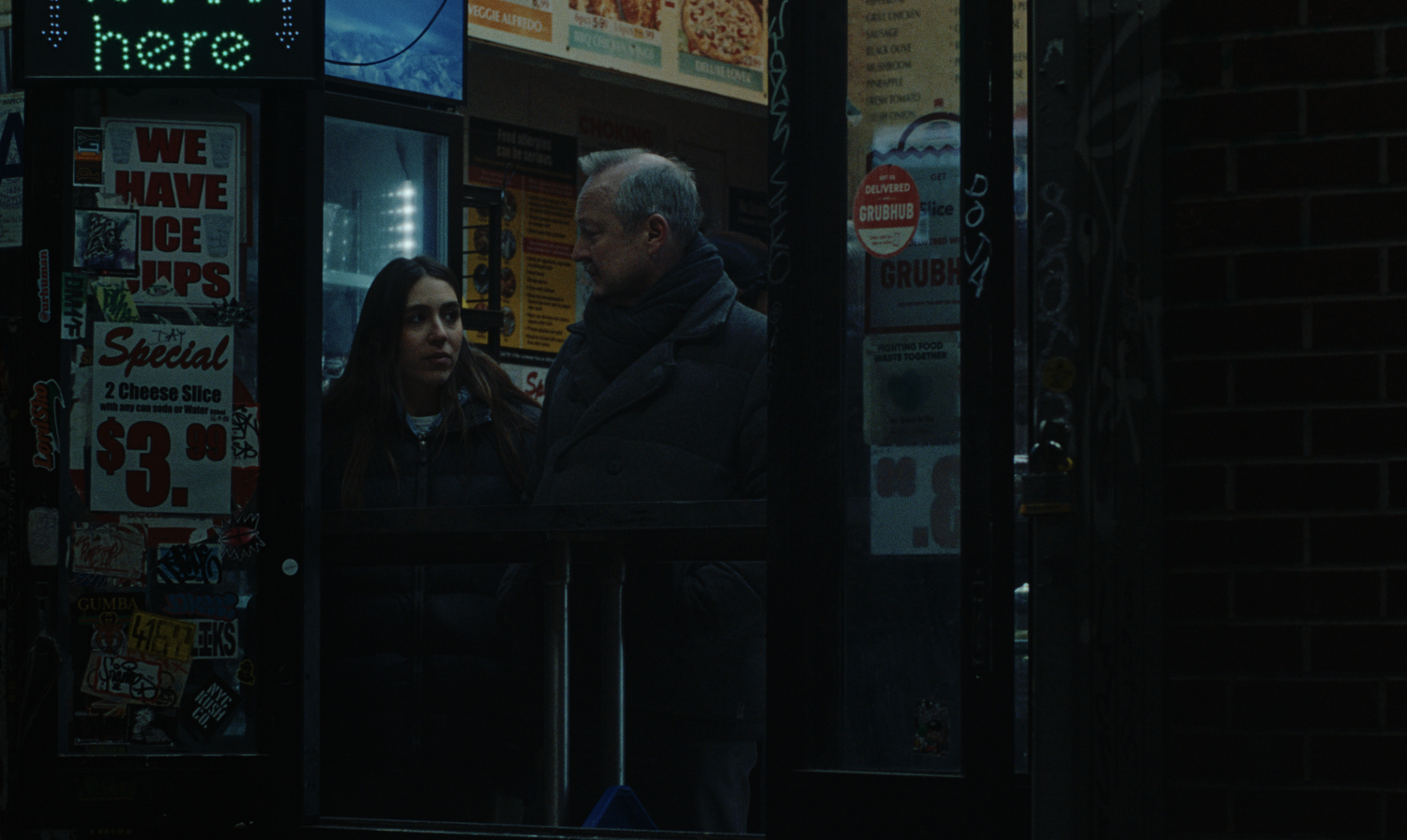
Shot in New York, Daddy’s Little Meatball follows Sunshine’s Sasha as she visits the Big Apple with her dad, Ed (a gentle Benjamin Howes), a period underwear salesman who brings her along to see the sights. Sasha is a teenager on the cusp of adulthood, she still sees her dad as an older person who has his shit together and knows everything about the world. He sees his daughter as being a young girl, not yet a woman. They love each other, but in the city that never sleeps, their father-daughter relationship is strained.
At Flickerfest 2026, Daddy’s Little Meatball took home the Waverly Council Award for Best Local Short Film while cinematographer Dylan Rizzo won the John Barry Award for Best Cinematography in an Australian Short Film.
In the following interview, Maddie talks about what her creativity journey as an actor looks like, how she’s paving her path from indie films to a hopeful A24 flick, talking about ourselves positively, and understanding that our parents don’t always know what the heck is going on.
Daddy’s Little Meatball screens with Roll Bus Roll: A Jeffrey Lewis Doc at Revelation Perth International Film Festival on 13 & 16 July 2026. Tickets are available here.
Find out more about Daddy's Little Meatball and Yael Grunseit here:

Follow Maddie on Instagram here and TikTok here, and find out more about Maddie’s work via:

How did you come to playing Sasha in this film and working with Yael?
Madeline Sunshine: I went to study acting in New York in 2023. It's this funny thing when you're an Australian and you move to a different city like New York, all your friends will be like, ‘Oh, I know this person over there.’ ‘I know that person over there. You should go get coffee with them.’ And you go and you do coffee with everyone you're told to do coffee with, and immediately you go, ‘Yeah, I'll probably never see you again.’ Yael and I had a few mutual friends in Australia and immediately after that first coffee, I was like, ‘Oh, yeah, no, this is amazing,’ because she was studying at film school over there as well.
New York is just this beautiful place where if you meet one person, and you get along and you have similar interests, and you both have that same drive or passion, they'll bring you into their circle. The next thing you know, you're meeting all these new people, and they're passionate about the same things. That was kind of how we met, which was incredible.
I just fell in love with her brain. She showed me the script and I was enthralled. She's a genius. Hearing how it was based on a real experience with her, not exactly, but the concept of going on a trip with your dad and learning that they're humans, experiencing life for the first time was so relatable. I think it's something that every single person experiences. I loved the way she told it. So when she was interested in me as the lead, I was over the moon. Then working with friends was amazing as well, it's such a different experience. I loved it.
I was fascinated by the confluence of this young woman realising that she's turning 18 and is now an adult, and she’s in a city where being 18 is still too young to do certain things. Then she gets to see what her dad is like as well, and realising that outside of the context of home, he's a completely different person. He's got his own life. He's an adult too. Can you talk about what exploring adulthood in this way means to you?
MS: Absolutely. I think I still experience this. When my dad goes to work every day and I don't see him till he gets home for it, I have no thoughts about what he's doing when he's in the office. Our parents, especially when you're young, only exist in the form that you get to see them in. It's so hard to comprehend that they cry or that they feel these deep emotions sometimes or that they don't have the answer. It's something that I've definitely experienced in my early 20s, this realisation that, ‘Oh my God, my mum doesn't know everything and neither does my dad.’
And like, yes, I'm coming into adulthood, but this is their first time having a daughter who's coming into adulthood. They've never done this before, and neither have I. I think when you're younger, you forgive yourself a bit more than you forgive your parents, because there's this idea that they've done this before. They know everything because they're older, but they really don't.
That's what's so beautiful about this film, the way that it takes you on this journey of coming to that realisation and seeing our parents and ourselves as people who can make flawed judgments and who can make mistakes. But it can also bring us closer together, which is what's so beautiful about the ending of the film, the faults of both of these characters and then the accepting of those faults is really what makes them closer than they were before the trip.
There’s this realisation from Ed, the dad, that he's no longer young. That's realised when he picks up the shirt to give her, he thinks, ‘Yeah, this is great, right?’ It’s hilarious, but it's also kind of sad too, because Sasha has that realisation that ‘oh, Dad, you're old. You don’t understand what it means.’
MS: Yes, exactly. I feel like that's such a universal experience, especially with social media. I have younger brothers who grew up with social media, and my mum had no idea what we were talking about when we referenced something, and she was trying so hard to understand it. In today's society, there's just becoming more and more barriers between generations because things are moving at such a rapid pace, even things like, when we say the f-slur in the film, there was so many conversations about that and what it means, and does she know the gravity of that word, and does it mean something different for her than it means for her dad? It's so multi layered. All of it.
What's the audience reaction to hearing that word or other moments in the film?
MS: It's always like a breath in. You can feel this change of energy, because it is such a massive deal to say that word, and to hear it come out of a 16-year-old's mouth so effortlessly, like there's no thought about, ‘is this wrong?’ It catches you off guard. I think that's the experience in a cinema filled with people, and then the vomiting afterwards. You never know what's happening next, and to be in a room experiencing that with people for the first time never gets old.
The writing is so smart. When she gets drunk in the mini bar, it’s this upbeat thing, and people laugh when she's trying to flirt with someone who she realises isn't flirting with her. It's this beautiful thing of comedy without rubbing it in your face or trying to tell you something's funny, it's just there. Yael made my job so easy. Working with good writers makes the job for the actor easier.
My dad shed a single tear. He emphasised it was just a singular tear. It wasn't more than one. It was just one tear. It’s those little moments and hearing afterwards how it moved people or what it got them thinking about. That's the whole reason I do what I do, and I love what I do. I just think this art form is so important. If you can leave feeling different than you did before you watched the film, or thinking about something different, or wanting to call someone you haven't called in a while, or even if you hate a movie and it sucked, if you were changed, that's all that matters. That's why we do this. The reaction has been incredible, and I'm so grateful.
There's also underlying recognition or acknowledgement of the hurt that parents and children cause each other. She really wants to go ice skating. He's got obligations, and he keeps on promising. And that's a level of hurt. But then she uses the f-word against him, which is different level of hurt too. It’s these unconscious things that sometimes you do in this war between kids and parents, right? You don't really know that it's a war while it's happening, and you feel guilt about it afterwards, but the film is this beautiful acknowledgement of the hurt that exists between parents and their children.
MS: Yes, because at the end of the day, they're family. They’re blood. You have to love them regardless, and that's why it's so much easier for me to tell my brothers to piss off or that I hate them compared to a friend I've just met. It’s because I know that I have that safety net that we will always make up and we will always be best friends and we will always be family.
What's interesting to explore is the question of is there a line? And I think for my character, there was a moment where there was fear of ‘have I crossed that line? Is this something that could potentially ruin my relationship with my dad forever?’ When you're angry or fired up, you would just say anything to your parents, because you know that they're parents, and they love you no matter what. The fact that it did bring them closer together is really beautiful. But it is that thing of hurting the people you love the most. It's like that thing of they say about anger and love being the two closest emotions, because they're the most passionate ones. The two things are so similar. When you care about people, you act with more passion. The love is so much stronger, but so is the hurt.
You shot this in America, but it's an Australian film. What’s it like making an Australian film in a city like New York?
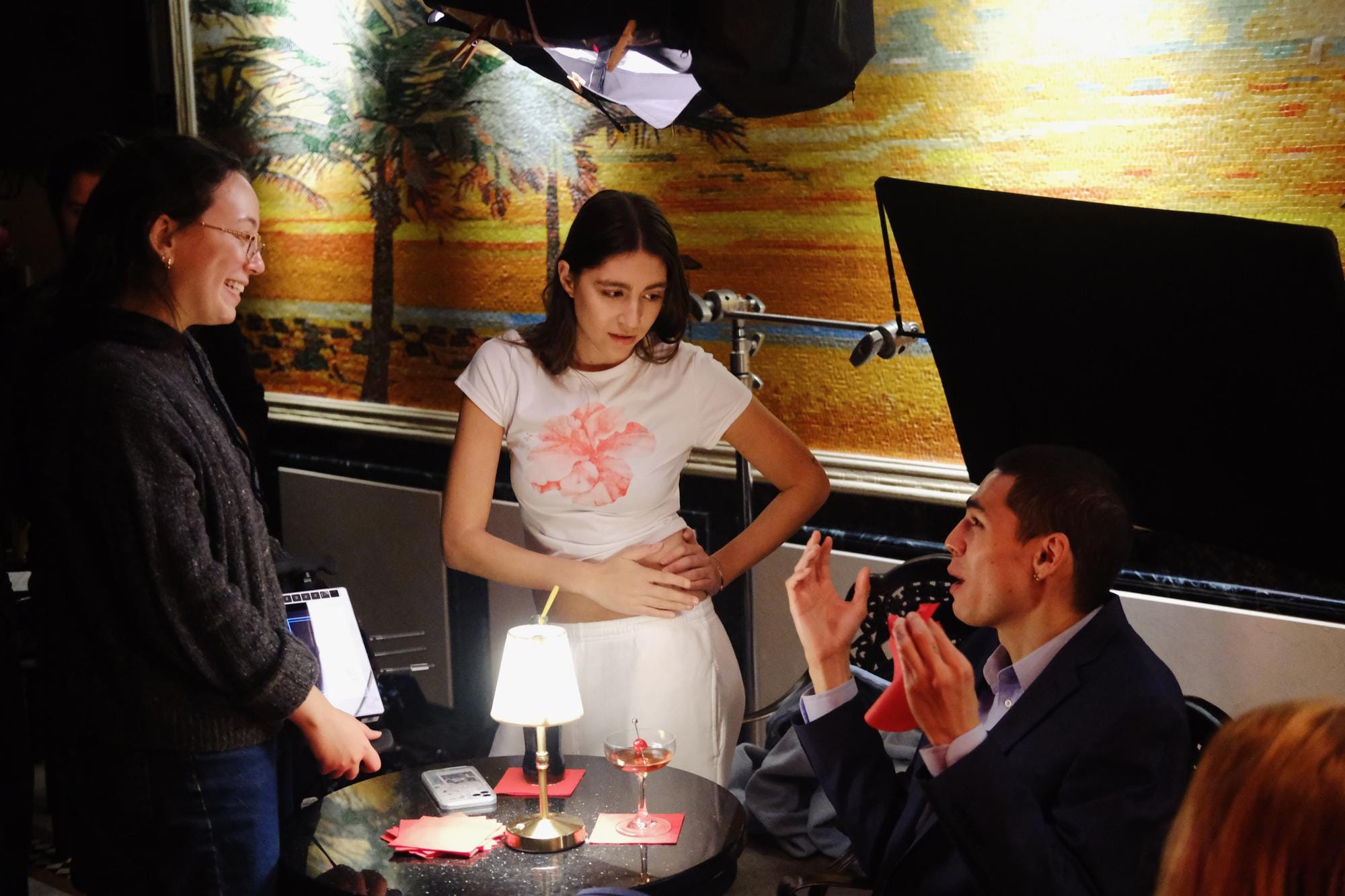
MS: Oh, it’s crazy. It was so cool to have an Australian director and an Australian co-star. The actor who plays Rai, John Hedrick, was my best friend and roommate's boyfriend. We put it all together. So I was working with all of these people who I knew and loved. It was just crazy.
I think there's something so special about that city. As an Australian, you watch all of these movies and every single one is set in New York, so to be there and doing the thing is, it was a dream come true. The hustle of this city, I describe it as like a living, breathing thing. It was really cool to be Australian and with other Australians in this city that we have watched from afar for so long, making a movie. I still kick myself.
Yael grew up in Bondi, so to watch it in an Australian film festival like Flickerfest, was a full circle [moment]. It gives me hope. Sometimes in Australia, it can feel so far away to get that work seen or put out there, and I'm so grateful for the Australian industry, and the fact that we've had this opportunity to connect those lines between the two feels really, really cool.
What do you want to do as an actor going forward?
MS: This is the big question. For the longest time, I convinced myself that I knew the answer, but I don't think I really did, until recently, because it's one thing to want to act and be in movies, but then [the question is] how and what type of movies and why, and I finally figured it out for me. I love making people laugh. I love comedy. My heart explodes when I get a laugh out of people. This world is so full of darkness, especially the last few years, so bringing a little bit of light into it is so important.
I'd love to do some more comedy in the next few years. I would love to get the opportunity to work overseas. I would love to just make films that mean something. Films that are fun. I'm really excited for this next part of my career. I'm excited to keep working with amazing people like I have been doing. I just feel so blessed for how much I've already done that it just gets me so excited for what's to come.
I'm doing this TikTok series at the moment. I always wanted to be the mysterious actor who took herself seriously and didn't post on social media. I had a friend who has worked in casting for years, she was like, ‘Maddie, your biggest asset is your personality. You know how to do social media. Why aren't you doing it? Why would you wait for people to open doors for you? Why not go out there and open a few for yourself? You never know what will come from it.’ I loved that advice, so I started this series with the help of another friend, and it's basically day one of posting until A24 cast me in a movie because that's my goal. When A24 cast me in a movie, I will be satisfied and happy and know that I did what my version of ‘making it’ is.
They're like skits to show my comedy and my personality. A friend behind the camera says, ‘Okay, give me this character,’ and then I do it. It's been getting such a great response. I think that's what's next for me as an actor, taking my career into my own hands a little bit more. There's so much waiting around in this career. There's so many people telling you ‘no’. There's so many times it’s close, but it just didn't go your way. In this day and age, I have an opportunity to make it go my way. I would hate to die and regret not doing everything I could.
Filmmakers are establishing careers from work on YouTube or TikTok.
MS: It's incredible. There's TikTokers who were doing their skits on the internet that are now on SNL (Jane Wickline) and in major motion pictures. I keep coming back to the quote, “If other people can, why can't I?” If it was possible for them, then hell yeah, why not me? I'm so sick of imposter syndrome and talking yourself down. I've done it over so many years, and this year, something just switched in my brain, and it was like, ‘No, I can do whatever if I put my mind to good.’ I'm feeling so inspired at the moment. Having the festival run had added to that feeling of everything's happening as it should. I just need to keep doing me, you know?
@madelinesunshine_
Lately I've been focusing on trying to bring out the positive from conversations that I have with people. As you're saying, there's so much sadness and darkness in the world. It's miserable, right? But in trying to get people to reflect positivity about themselves, it’s clear how it's hard it is for people to say, ‘I do this really well,’ or ‘I like this thing that I'm able to do.’ So, to put you on the spot a bit Maddie: What do you do that you enjoy doing, or that you feel that you do really well?
MS: This is exactly it, Andrew. This is what I've realised: it is how insane I am. And when I say insane, I mean my personality is larger than life. I bring a vibe and an energy into any place I walk into, you remember me when I walk into a room. I can make anyone I meet feel comfortable in my presence and able to be themselves. I will do a crazy dance in the middle of the beach for a video, and I will make a joke, and I don't care if I'm too much because if I'm too much like then you're not my people. Because there are other people who love that about me. For so long, I did try to quieten that side of myself, but now I'm like, no, this is my point of difference in this crazy industry where there are so many people trying to fit a mould that I don't fit into it. That is my biggest asset. Yeah, I hope that answered your question.
Do you feel it answered the question?
MS: Yeah, I think so. It's just this not caring what people think anymore, and being the truest version of myself, which is loud and big and expressive and over the top and dramatic. That is what I do well. For some, it doesn't matter if you're not big and loud, but if you're being authentically yourself, and if authentically yourself is more reserved, and you express yourself on paper or through writing, it doesn't matter. It's just the fact that you're being authentic. And I think I'm finally doing that really well.
That's really good. I love that answer. Thank you for taking the challenge of talking about yourself this way.
MS: It shouldn't be as uncomfortable as it is. If we all spoke about what we loved about ourselves more, you'd be so much happier.
In an Australian context, we're so afraid of ego. I get the impression that we're finally pulling away from the tall puppy syndrome, cutting people down, and we’re giving people the space to be able to be open about what they feel is good about themselves, right? And that's hard to do because it invites self-reflection, and that, in itself, is really hard to do because we're don’t like thinking or talking about who we are as people.
MS: No, we hate it. We want to do anything but that. That's also the other thing about what I experienced studying in New York. Everyone over there, especially in New York, they know what they're good at, and they're going at it full speed ahead. And at first, it can be kind of confronting as an Australian, because you go, ‘You can't just say what you're good at and think that you're the best.’ Like, no, you have to pretend that you're not the best and that you're very humble and that's respectable. And it's like, no, you can still be humble and respectable and know that you are good at something, or that you have traits that are great, or that you like yourself. That's okay and allowed. You don't have to be arrogant about it, but you can think things to be true.
It's applying that self-filter as well, because New Yorkers have no filter whatsoever. I'm so grateful that you've met the challenge of me asking these questions, because I tend to write down what I'm asking and then just let the conversation flow. Thank you for opening up about that invitation for people to see a true version of you. And that’s the thing about filmmaking: you’re inviting people into this idea or concept or vibe and saying, ‘can you just sit with this vibe and experience it?’ It might be fun. It might be sad. But, just sit with it. And that’s vulnerability.
MS: Totally, no. This is so fun. I love this. Absolutely. It's showing the ugliest parts of yourself. I want to be ugly on camera more. It's also showing the best parts of yourself and showing the parts of yourself that we're all ashamed of. It's going to the cinema and watching a movie and identifying with what you see on screen and knowing you’re not alone with those parts of you. That's what I love about it.