
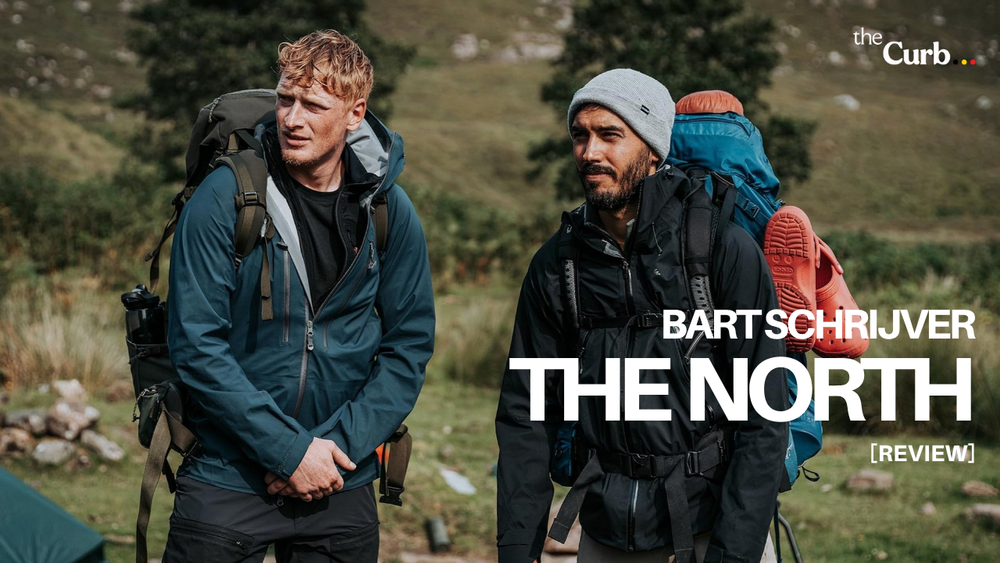
As a proud practitioner of what his company calls Outdoor Cinema, Bart Schrijver’s crowdfunded film The North begins with an earnest proclamation: ‘The trail is best enjoyed without your phone. Please turn it off.’ It’s a requirement that’s demanded by a filmmaker strongly prescribing a call-to-arms against the anti-spiritual encroachment of our addictive digital devices. What follows is a visually sumptuous journey that’s intensely dedicated to the detoxifying benefit of smartphone disconnection and the therapeutic beauty of emotionally processing your thoughts through the isolated and sweaty work of hiking through one of nature’s more remote experiences: a 600-kilometre trail through Scotland’s West Highlands.
Such an insistence on disconnection would mean little if not for the filmmaker‘s steadfast dedication to the cause. Like their previous film, Human Nature, the production crew made the entire hiking journey themselves; filming their actors across a real hike in purely naturalistic conditions, lending not only a breathtaking range of vistas on where to stage the drama, but also reminding us that authenticity so often is what fuels captivating cinema. For distant, cross-country friends Chris (Bart Harder) and Lluis (Carles Pulido), walking the rugged landscape has been a long time coming. Hurtling toward middle age, it’s clear this adventure is a rare opportunity for them to breathe clean air and unplug — an endeavour regularly interrupted by phone calls from Chris’s corporate job. Calls that keep dragging his mindset back into the language of anxiety and spreadsheets. As the calls and emails keep coming, at least Twan Peeters’s luscious wide shots of the Scottish landscape help keep his problems in perspective, even if Chris doesn’t feel the same.
Digital disconnection is a desire for the more interior and complex Lluis. His willingness to turn off phones, discard GPS devices, and embrace a simple fold-up map underlines his quest to escape past trauma and find purity through peaceful analogue processes. He’s a loose spirit. He disregards the importance of money and declines his requirement of a stable income. He even feels no need to speak to his family until the 30-day trip is over. His relationship with Chris is patiently revealed but never dull – the snatched conversations about having children, getting old, and avoiding the dreaded midges could have proved too perfunctory in less skilled hands. The realism of the setting and the consistency sensitivity of the actors often pushes the fictional material into documentary levels of verisimilitude. Carles Pulido, in particular, plays Lluis’s backstory with a dexterous subtly with all of his demons bubbling deep enough you could almost ignore them and simply enjoy the scenery.
There’s tension too with the masculine trait of bottling up emotions rings true as each friend builds a silent resentment the deeper into the rocky terrain they travel. Walking alone through vast green valleys and sleeping alone in a tent without a friend to play a game of Uno with doesn’t quite hit the same way. For Chris, Bart Harder provides him an unsentimental exterior, the essence of a man too busy with life to express his more intimate emotions to another man. During a reunion with his friend, he can’t answer the question, “You miss me?” even if we know the answer is a resounding yes. Trekking in silence up slopes and over stepping stones, they both carry the weight of unsaid things between them becoming heavier than any backpack. Then there’s the ambient sound: crunching gravel, tapping rain, bowing tree trunks, all mingling in sonic veracity, which combined with Twan Peeters’s warm skin tones and heavy grey skies, makes the cold conditions of Scottish weather feel unusually close.
A moment of unfortunate eavesdropping drives a further rift between each friend, what’s unsaid again insisting that the ambient pleasures of The North also accommodate human drama. The small-voice disagreements hold our attention because we feel the big issues breathing just off-screen. When fellow hiker Jack (a scene-stealing John McQuiston) drops the aphorism “Nothing brings out the truth in you like walking for a long time in nature,” we are already convinced. The demons of Chris and Lluis percolate through further isolation, eliciting panic attacks as each braces against biting coastal winds, their emotional peaks portrayed in enduring one-shots – no extra flourishes necessary. Two separate beach scenes provide Bart Harder and Carles Pulido a wave-crashing stage to express their wordless anguish; each performer impressive when unleashing their fears of the unknown. The price for this is cold hands, sore feet, and tired legs: but in the magic of the quiet valleys and dense woods, being vulnerable to those you love is a significant reward.
Director and writer: Bart Schrijver
Cast: Bart Harder, Carles Pulido
Cinematographer: Twan Peeters
Composer: Michiel Nieuwenhuijs