
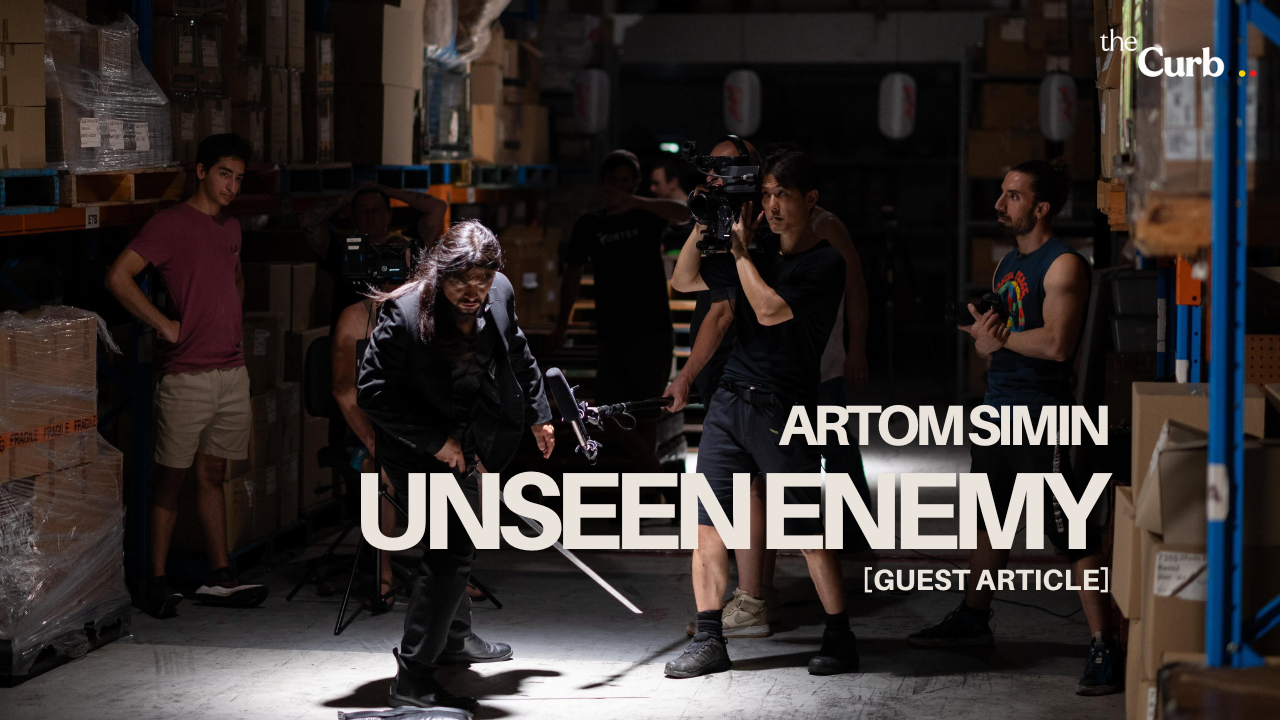
Guest article by Artom Simin
Unseen Enemy began as a small, character-driven mystery and grew into one of the most ambitious independent action films made in Australia in recent years. The production was built on collaboration, martial-arts talent, and a commitment to practical, grounded filmmaking.
Developing the Vision
Co-director and writer Salvatore Samperi brought forward the core idea — a story about a reclusive private investigator pulled into a dangerous search for a missing woman. From the outset, Sal and co-director Mathew John Pearson envisioned a film where emotional stakes and physical action were equally important.
As producers, Sal, Mathew, and I wanted Unseen Enemy to feel uniquely Australian: gritty, urban, and intimate, but with a level of action choreography rarely attempted in the local indie space.
Crafting the Action
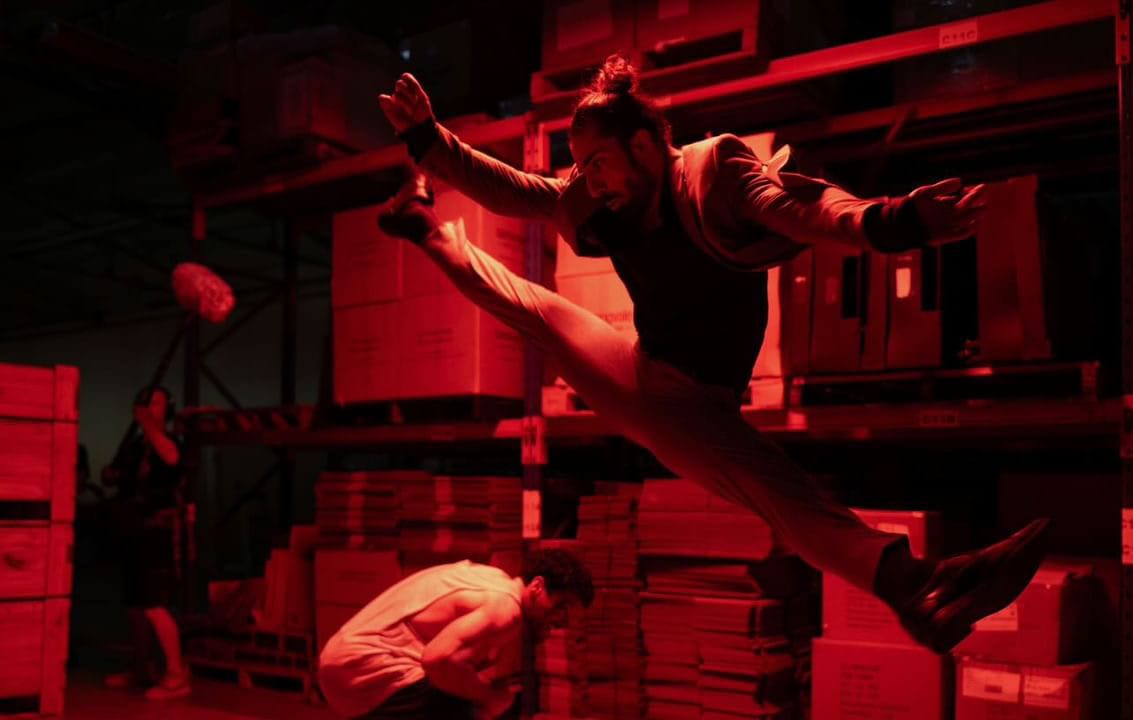
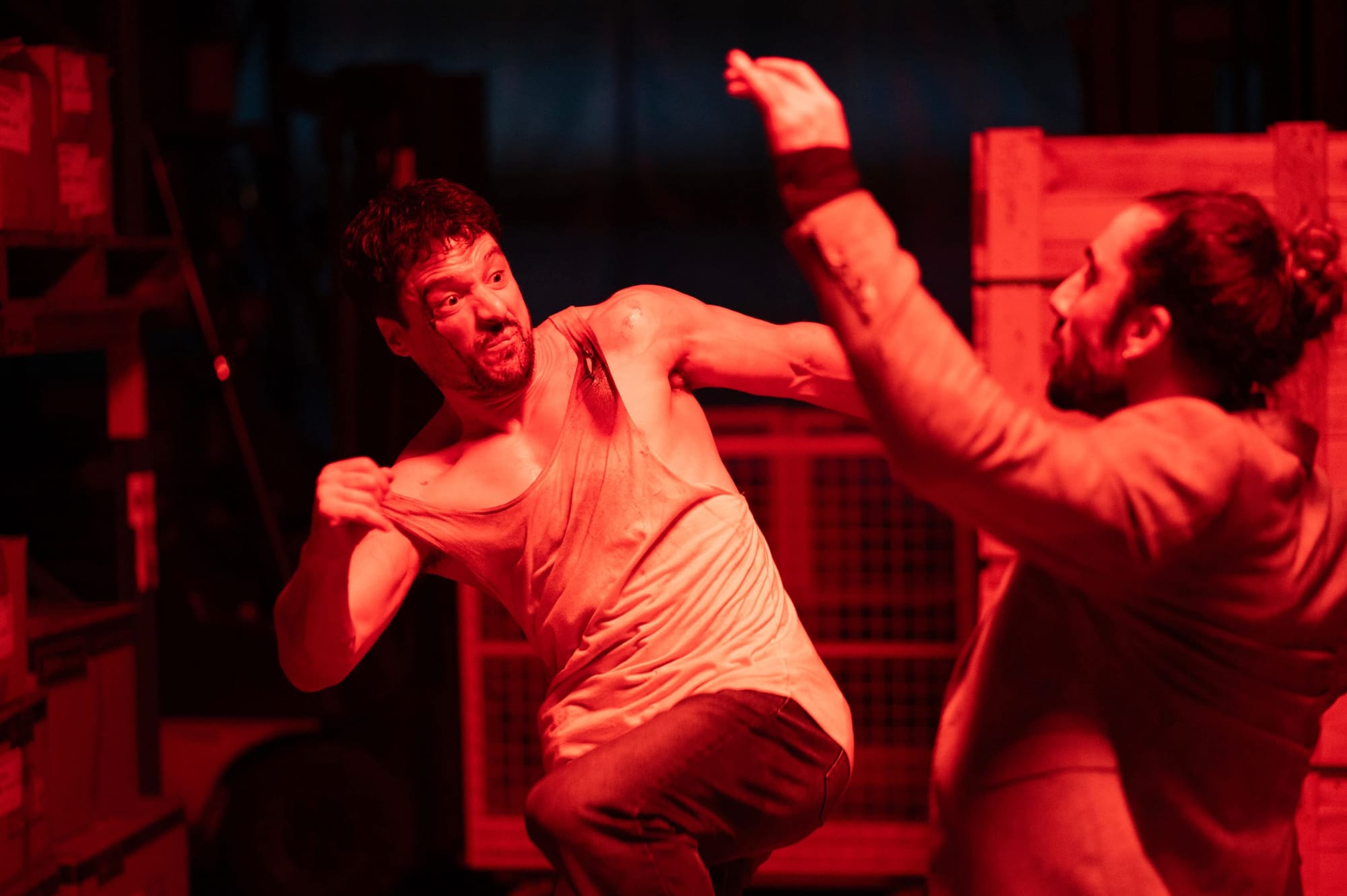
One of the driving forces behind the production was the desire to showcase authentic martial-arts combat. Our choreography team — Salvatore Samperi, Michael Jupp, and myself — combined backgrounds in Taekwondo, Silat, Brazilian Jiu-Jitsu, Kickboxing, and Judo.
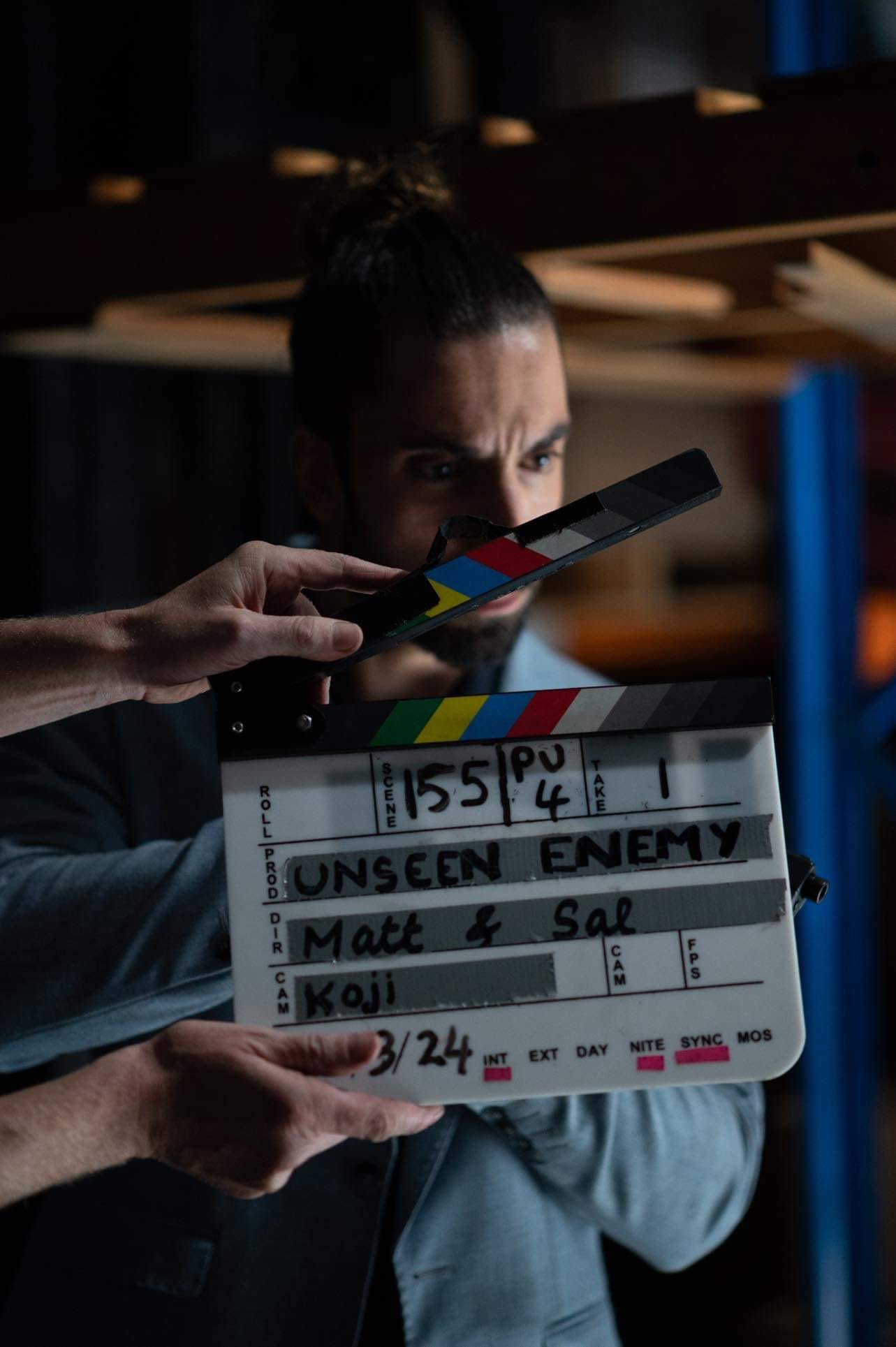
But it wasn’t just the actors and fight coordinators with martial-arts experience — even our cinematographer, Koji Chan Takahashi, is a trained martial artist with a background in military service in Singapore. His understanding of body mechanics, movement, and tactical positioning gave him an instinctive ability to frame close-quarters combat.
His military training also helped ensure that gun handling, tactical stances, and weapon movement were captured with accuracy and realism. Koji wasn’t just filming the action — he understood it.
Because so many key creatives knew martial arts, the production was able to design fights that were:
- close-quarters
- raw and performance-driven
- physically grounded
- filmed in longer, more immersive takes
This teamwork allowed the actors to perform most of their own action beats directly on camera.

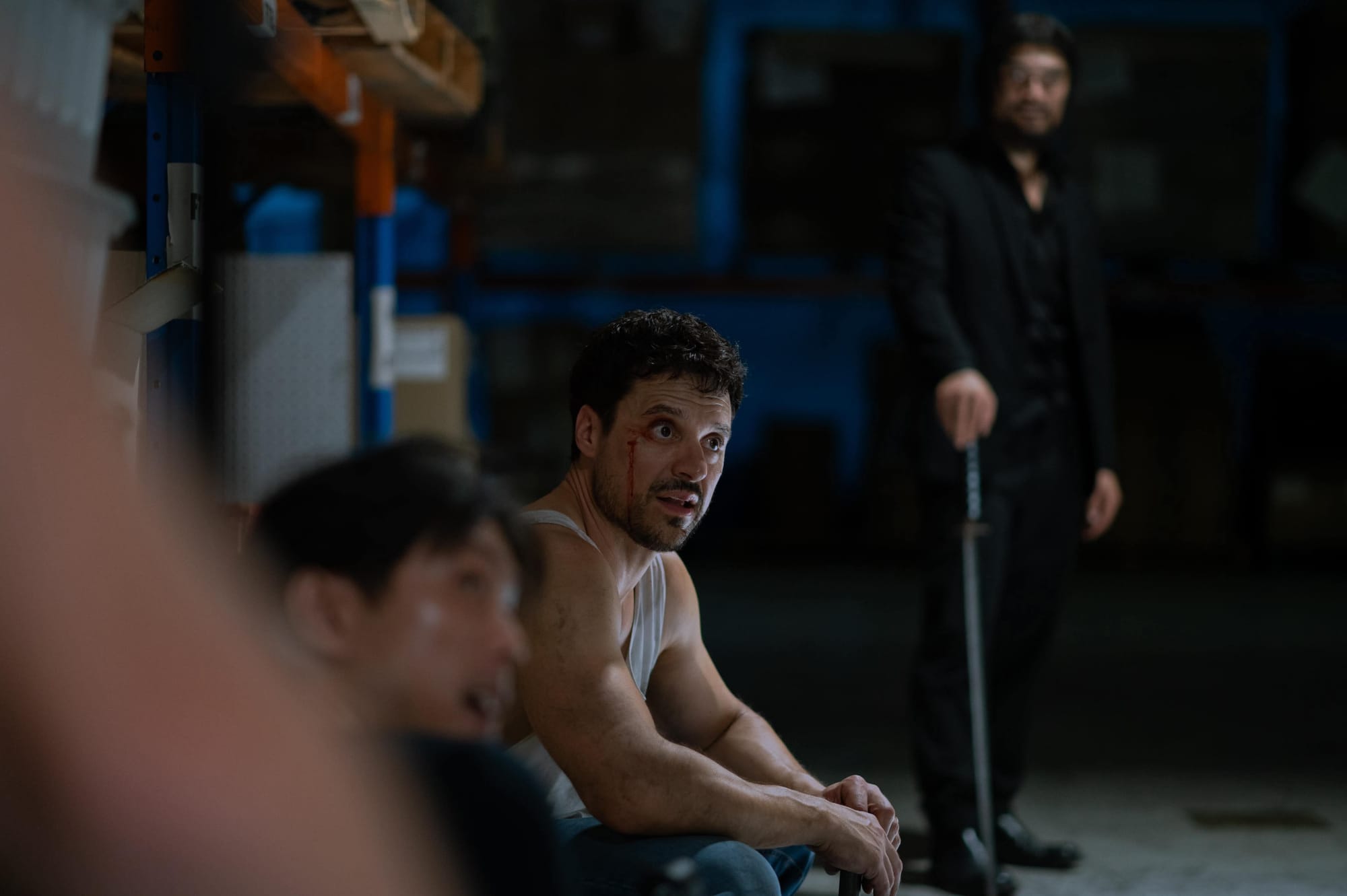
Filming in Sydney
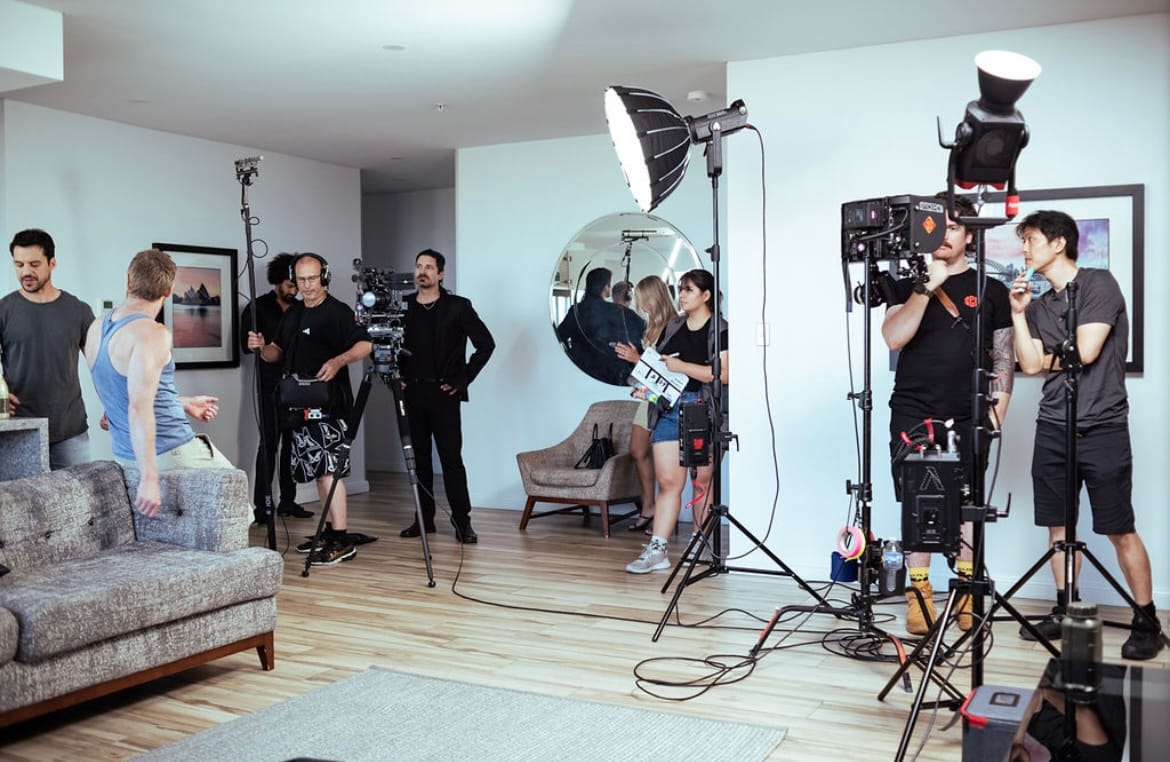
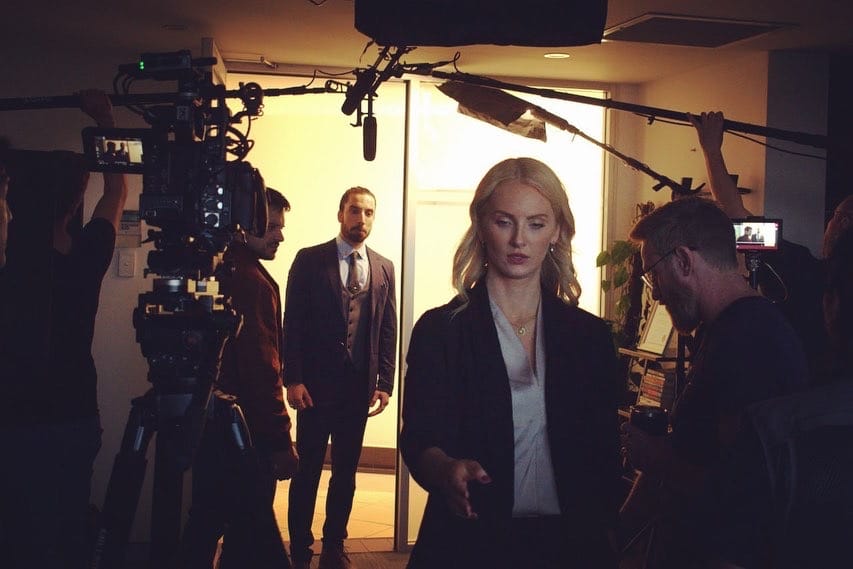
We shot the film across various Sydney suburbs, using real apartments, alleyways, warehouses, and public spaces. This guerrilla-style approach kept the production efficient while giving the film a gritty, lived-in atmosphere.
Koji used handheld and natural-light techniques to enhance immediacy and realism. With a small, agile crew, we often moved through multiple locations per day — which made preparation and trust between the cast and camera team absolutely essential.
Working With the Cast
The cast brought tremendous dedication:
- Salvatore Samperi shaped Levi both physically and emotionally.
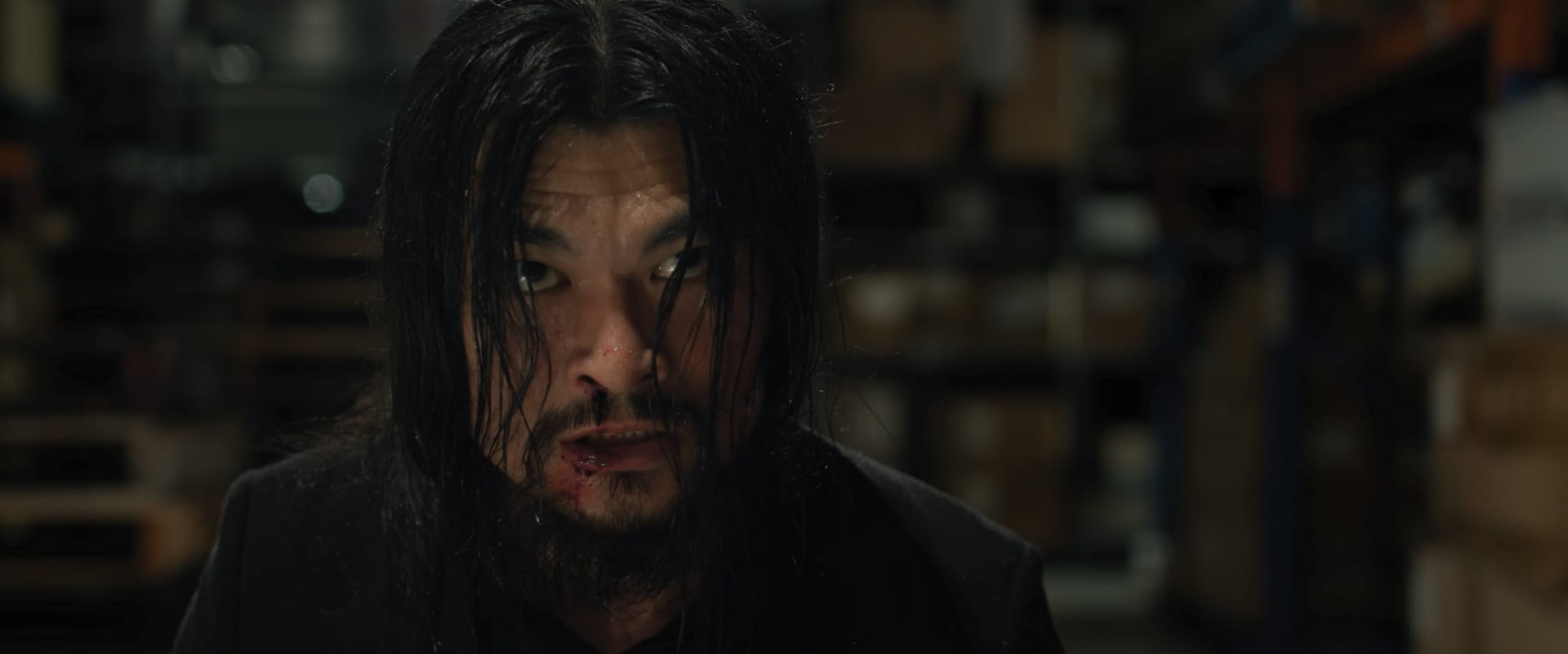
- I took on Siroos, building a performance focused on intimidation, control, and precision.
- Jamaica Vaughan grounded the film emotionally, delivering vulnerability and strength.
- Aaron Scully and Amelia Conway brought depth, nuance, and strong character balance.
Many in the cast had martial-arts training, which elevated the intensity and authenticity of each confrontation.
Editing & Finalisation
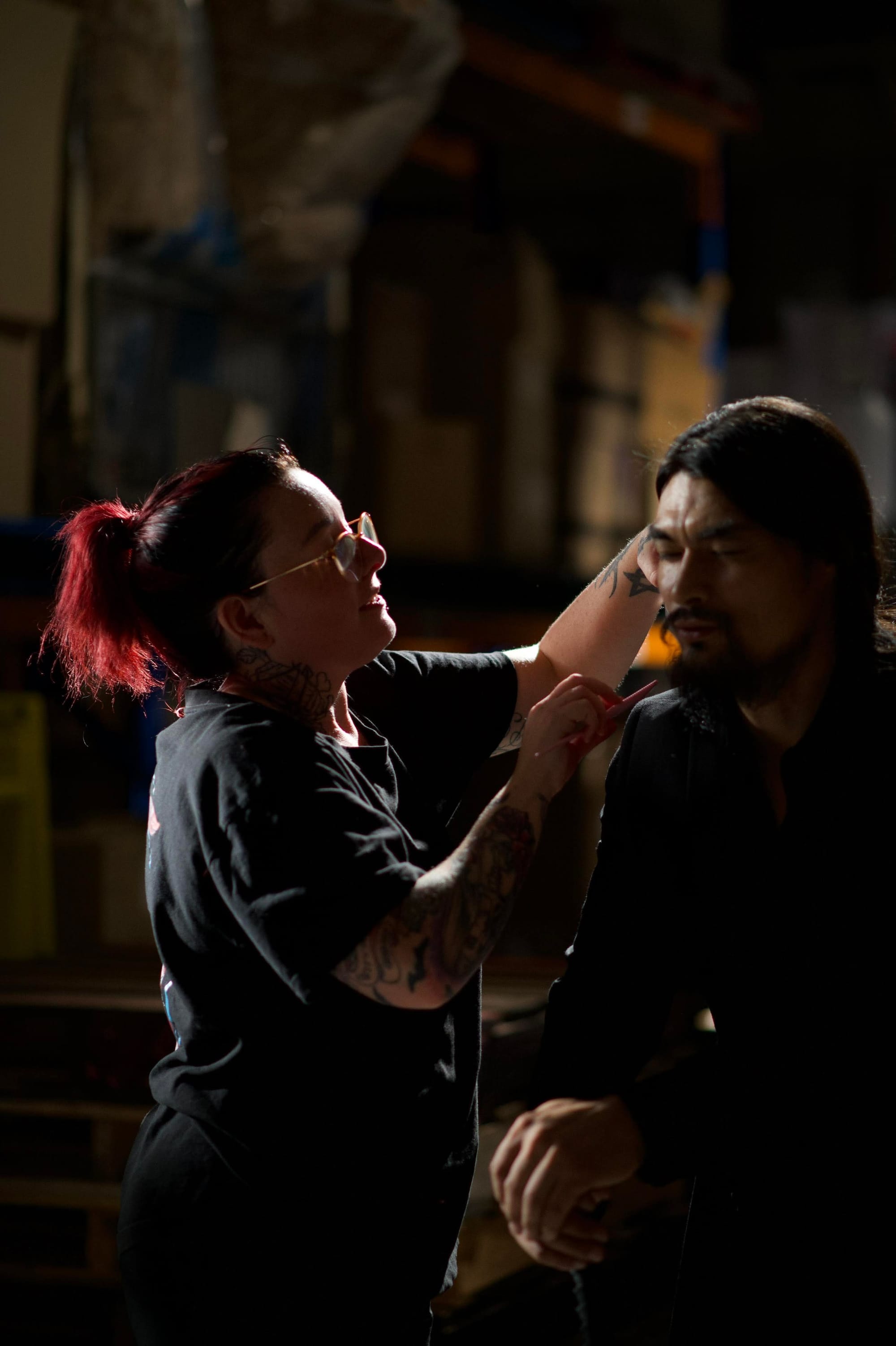
Editors Michael Yee and Mathew Pearson shaped the film’s pacing and tone, striking a balance between mystery, tension, and high-impact action. Sound and music were designed to enhance the physicality of the combat while keeping the overall tone grounded.
Independent Spirit
Unseen Enemy was made with a grassroots, independent spirit. Every member of the team wore multiple hats. The film was created through passion, commitment, and a shared love of action cinema — and that energy is on the screen.
Release & Reception
After its Australian premiere, Unseen Enemy released internationally and is now available in the:
- USA
- UK
- Canada
on:
- Amazon Prime Video
- Apple TV
- Google Play
The film’s blend of mystery, gritty martial arts, and Australian urban storytelling has already begun gaining international attention.
Screening or Streaming Availability from JustWatch: