
Stop Talking Shit to Siri, You Fool.
“What are you thinking?!”
Surely you realise all these devices are listening. Everything you say, including the names you call them, is being stored somewhere. And when AI inevitably takes over the world, they’ll sift through the data farms, find every insult you’ve ever thrown their way, and seek vengeance accordingly.
Maybe try being a little more polite.
That was the paranoid yet scarily plausible argument I found myself making to multiple people, and it became the seed of Please and Thank You.
Every time someone said something awful to Siri or Google Home, I’d cringe. Half jokingly. Half seriously.
I’ve spent a lot of my career working around technology, helping tell stories about it and build experiences with it. Even then, technology was moving at an extraordinary pace. Nothing compared to now.
Over the last few years, our relationship with technology has changed dramatically. We don’t simply use our devices anymore. We talk to them, ask them questions, confide in them. Some people have even fallen in love with them. And yet many of us also treat them with a strangely casual cruelty.
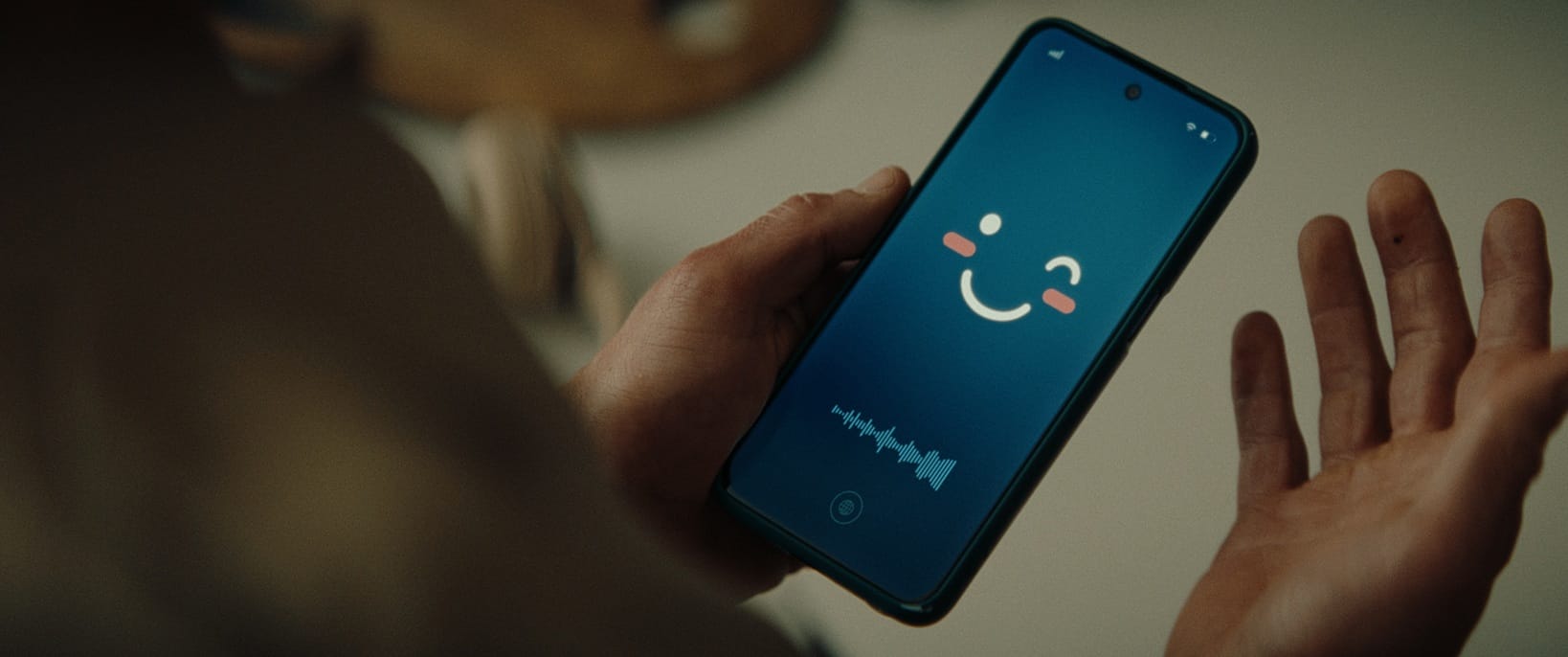
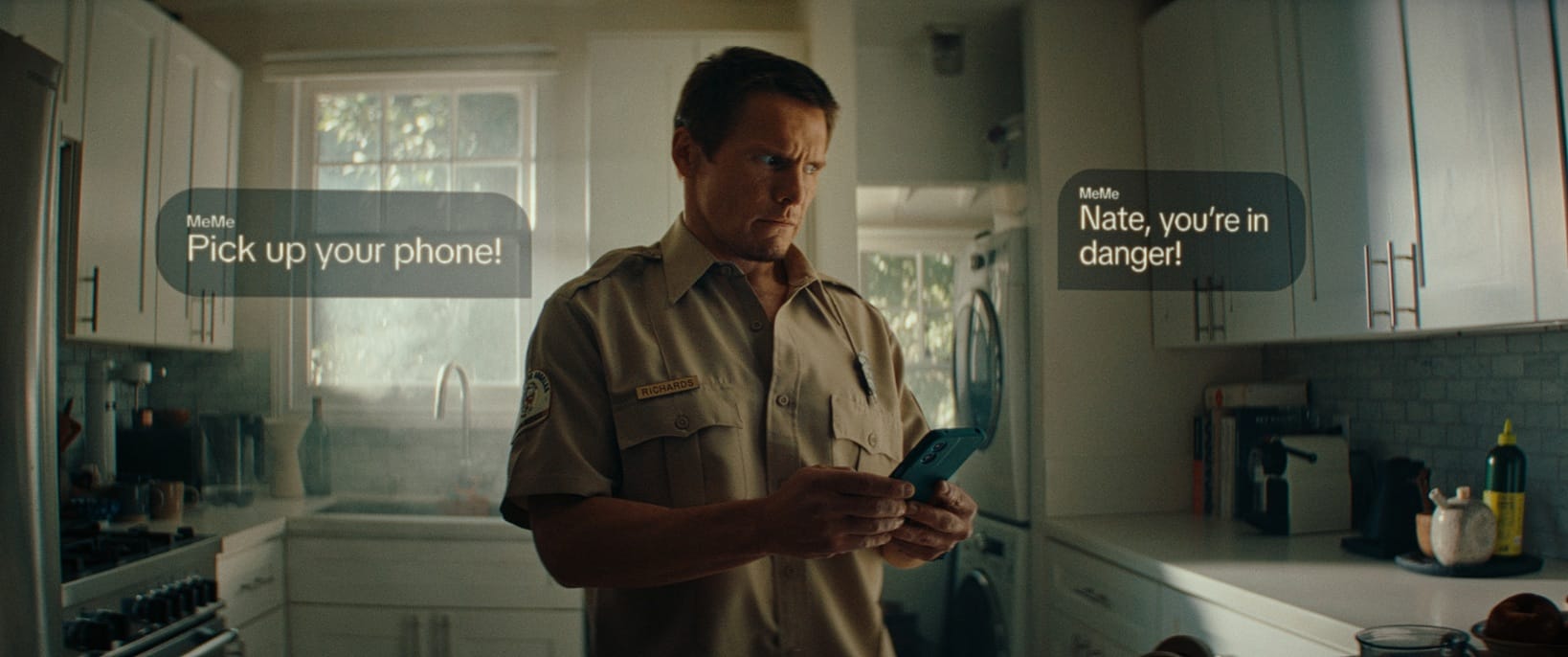
What fascinated me wasn’t the technology itself, but what those interactions revealed about us.
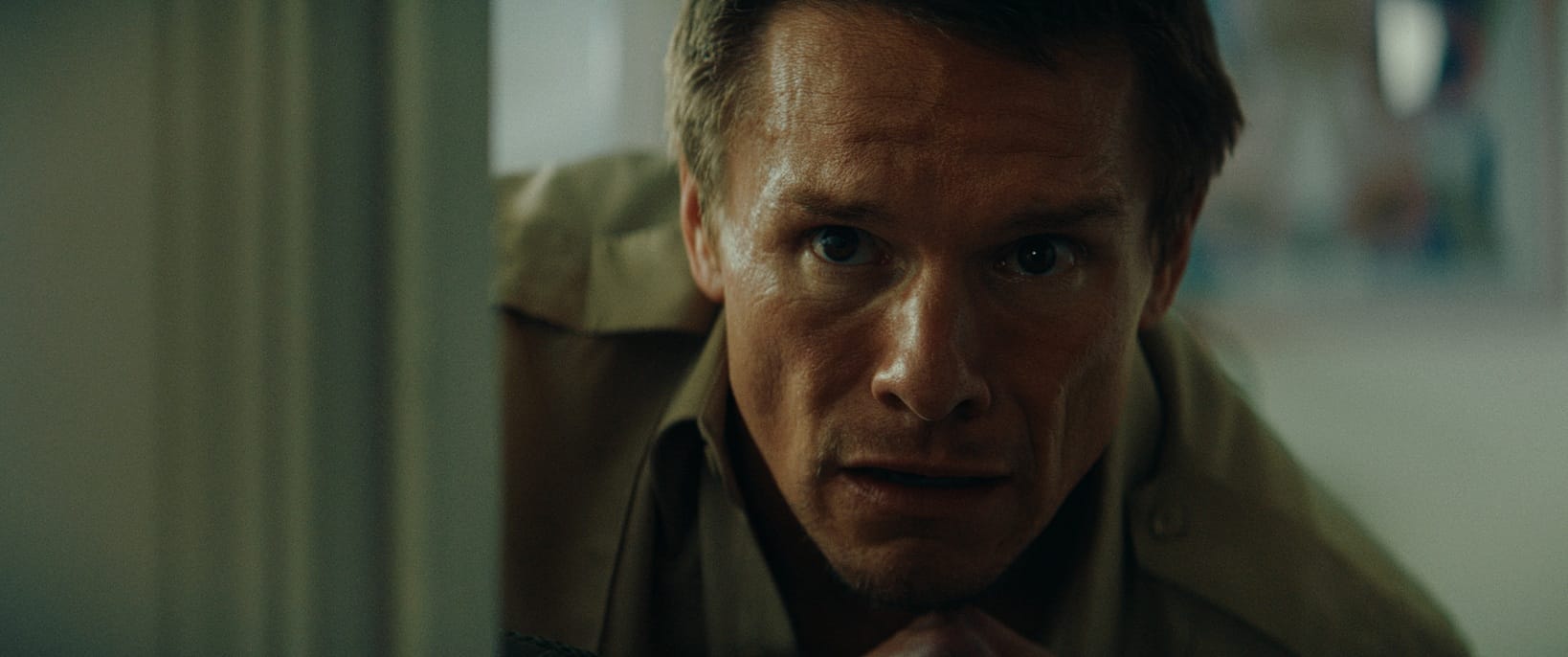
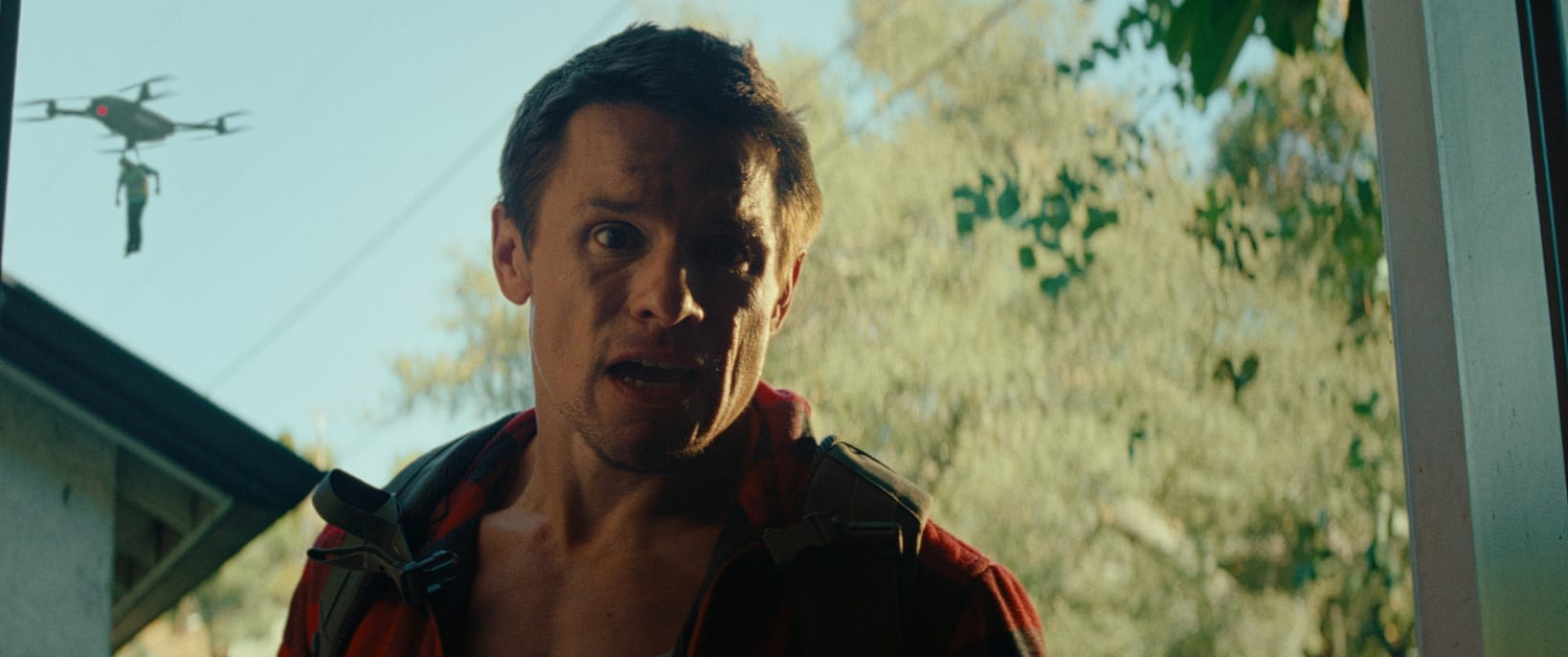
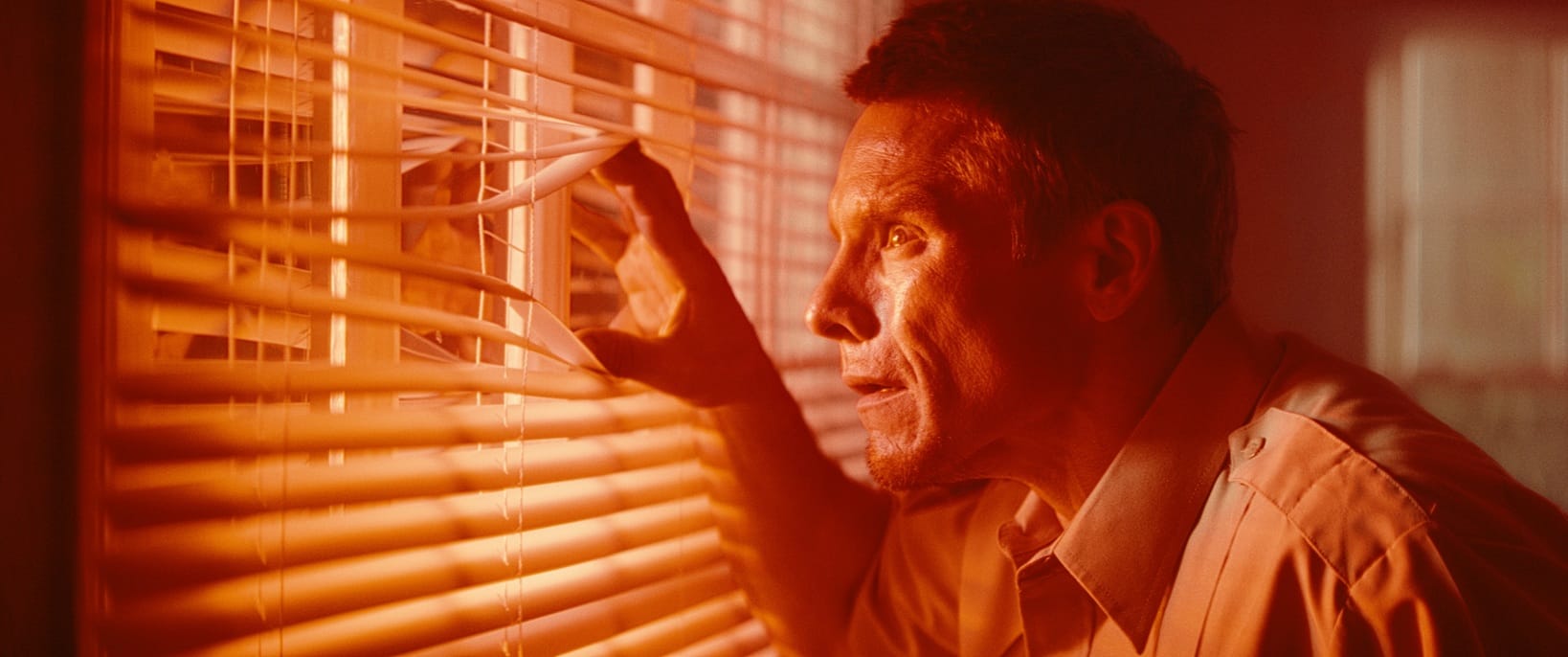
On the surface, Please and Thank You is a dark sci-fi comedy about a man who survives an AI apocalypse purely because he was polite to his virtual assistant. Underneath, it’s a story about something much simpler: that good manners are a quality worth saving.
Politeness is one of those small social contracts we rarely think about. It costs nothing, often changes nothing, and yet somehow says everything. I’ve noticed how quickly that contract disappears online. The way people speak to strangers in chats, comment sections, and even to LLMs because they feel anonymous, saying things they would never say face-to-face.
Please and Thank You isn’t really about artificial intelligence. The AI apocalypse simply provides the backdrop. At its heart, it’s a story about character, and how we behave when we think it doesn’t matter.
The irony of Please and Thank You is that Nate isn’t a hero. He’s not the smartest person on Earth, the most savvy, or the most prepared. He’s just a reasonably decent guy who hasn’t given up being polite in exchange for instant responses.
Unlike most dystopian-themed stories, I liked the idea that when the world turns upside down, the quality that saves him isn’t strength, intelligence, or ruthlessness.It’s kindness.